Stepping into the kitchen, the aroma of freshly cooked waffles can instantly transport you to a cozy brunch spot or a cherished family breakfast. The humble Waffle Maker has evolved from a simple appliance into a versatile culinary tool, beloved by home cooks and professional chefs alike. As a seasoned veteran in the baking appliance industry and a content strategist for WaffleMasterPro, I’ve witnessed firsthand the incredible innovations that have transformed these devices, making perfect waffles more accessible than ever before. Whether you’re a novice eager to make your first batch or a connoisseur seeking to elevate your waffle game, understanding the ins and outs of your waffle maker is the first step towards achieving golden, crispy, and fluffy perfection.
The Enduring Charm of the Waffle Maker
For over 15 years, I’ve championed the waffle maker as more than just a kitchen gadget; it’s a gateway to delicious creativity. From quick weeknight meals to elaborate weekend brunches, a reliable waffle iron opens up a world of culinary possibilities. Its popularity stems from its ability to consistently produce that unique texture – crispy on the outside, tender on the inside – that pancakes simply can’t replicate. The deep pockets of a waffle are perfect for holding syrup, fruit, whipped cream, or even savory toppings, making them a true breakfast icon and a versatile base for countless dishes.
Decoding Your Perfect Match: Types of Waffle Makers
Choosing the right waffle maker can feel daunting with the sheer variety available. Each type offers a distinct experience, catering to different preferences and kitchen needs.
Classic/American Waffle Makers
These are often the most straightforward and compact. They produce thinner waffles with shallower grids, resulting in a crispier texture. They’re excellent for those who prefer a light, crispy waffle that’s easy to stack and enjoy.
Belgian Waffle Makers
The undisputed champions of thickness and fluffiness, Belgian waffle makers feature deeper grids that create substantial pockets. These are perfect for holding generous amounts of toppings and offer a delightful contrast between a crisp exterior and a soft, airy interior. “For that truly indulgent, diner-style experience, a Belgian waffle maker is simply unmatched,” says expert chef Eleanor Vance, emphasizing the depth that captures every drop of syrup.
Rotating Waffle Makers
Often found in professional settings, rotating waffle makers allow you to flip the plates 180 degrees during cooking. This design ensures that batter spreads evenly across both the top and bottom plates, promoting uniform browning and consistent texture. Many rotating models offer dual plates, allowing you to cook two waffles at once, making them ideal for feeding a crowd quickly.
Vertical Waffle Makers
A brilliant innovation for smaller kitchens, vertical waffle makers stand upright, saving valuable counter space. They feature a top-mounted spout where you pour the batter, which minimizes spills and ensures even distribution. While the pouring technique might take a little getting used to, the compact storage and mess-free operation are significant advantages.
Mini Waffle Makers
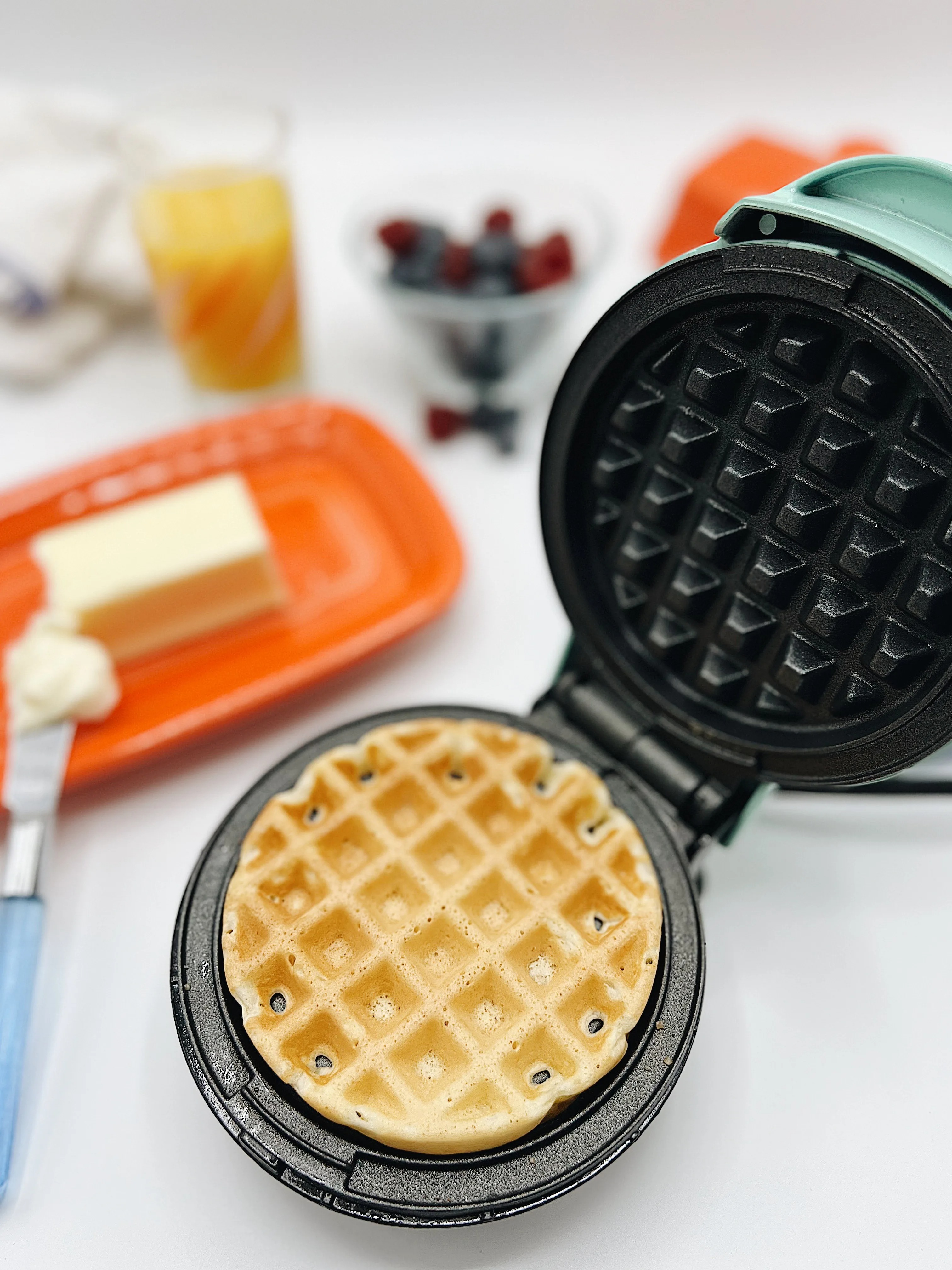
These adorable, compact devices are perfect for single servings, dorm rooms, RVs, or small kitchens. They heat up quickly and are incredibly easy to use, though they typically offer fewer customization options. Mini waffles are fantastic for breakfast sandwiches, snacks, or even desserts.
Specialty and 2-in-1 Makers
Some waffle makers come with interchangeable plates for pancakes, sandwiches, or even novelty shapes like hearts or Disney characters. These offer maximum versatility, transforming your single-purpose appliance into a multi-functional kitchen hero.
What to Look For: Key Factors When Buying a Waffle Maker
Navigating the market for a new waffle maker means considering several factors to ensure you pick the perfect one for your culinary adventures.
Waffle Style: American vs. Belgian
Your preference for waffle texture is paramount. American-style waffles are typically thin and crispy with shallow divots, while Belgian waffles are thick, fluffy, and have deep pockets perfect for toppings. Think about how you like your waffles and what kind of toppings you usually enjoy.
Size and Capacity: From Solo to Family-Sized
Consider your household size and how often you’ll be making waffles. A mini waffle maker is excellent for individuals or small portions, while a 2-slice or 4-slice model is better suited for families or entertaining guests. Also, factor in storage space; some models are quite bulky and require dedicated cabinet real estate.
Heat Settings and Indicator Lights
Most quality waffle makers offer adjustable heat settings, allowing you to customize your waffle’s crispness and browning. Look for models with clear indicator lights (often “power” and “ready”) and audible beeps that signal when the iron is preheated and when your waffle is done. These features take the guesswork out of cooking and prevent over or under-browning.
Plate Material and Non-Stick Coatings
The cooking plates are crucial. High-quality non-stick coatings are essential for easy waffle release and hassle-free cleaning. Many modern waffle makers use PFOA-free non-stick surfaces, like copper titanium, which are safer and more durable. Cast aluminum plates are also valued for their excellent heat retention and even browning.
Ease of Cleaning: Removable Plates and Drip Trays
Waffles are wonderful, but cleaning can be a chore if your waffle maker isn’t designed for it. Models with removable, dishwasher-safe plates are a game-changer. A wrap-around moat or a drip tray is also a fantastic feature, catching any overflow batter and preventing counter messes.
Wattage and Heating Speed
A higher wattage generally means quicker preheating and faster cooking times. If you’re often in a rush or making multiple batches, a powerful waffle maker will be a valuable asset.
Smart Features and Customization
Premium waffle makers, like some Breville models, offer advanced features such as LCD displays, multiple pre-set programs for different waffle types (e.g., Belgian, chocolate, buttermilk), and sensors that automatically adjust cooking time and temperature for perfect results. Some even have a “A Bit More” button for a touch of extra crispness without restarting the cycle.
Mastering Your Waffle Maker: First Steps and Beyond
Even the best waffle maker needs a little love and proper technique to perform at its peak.
Your First Waffle: A Step-by-Step Guide
- Preheat Properly: Always allow your waffle maker to fully preheat. Most models have an indicator light or an audible beep to tell you when it’s ready. Don’t rush this step; it’s crucial for even cooking and a crispy exterior.
- Lightly Grease (If Needed): Even with non-stick plates, a very light spray of cooking oil or a brush of melted butter can enhance crispness and prevent sticking, especially for the first waffle.
- Pour the Batter: Use the recommended amount of batter for your specific waffle maker (often about ½ to ¾ cup for a standard waffle). Avoid overfilling, which can lead to messy overflow. If your waffle maker has a spout, use it carefully.
- Close and Cook: Gently close the lid and let your waffle maker do its work. Resist the urge to peek too early, as this can interrupt the cooking process and cause sticking. Wait for the indicator light or beep.
- Remove with Care: Use a silicone spatula or a wooden utensil to gently lift the finished waffle. Avoid metal tools, which can scratch the non-stick coating.
Tips for Waffle Perfection
- Don’t Overmix Batter: Lumps are your friend! Overmixing develops gluten, leading to tough waffles. Mix just until combined.
- Use Fresh Batter: For yeasted Belgian waffles, allow the batter to rest for at least 20 minutes to activate the yeast. For baking powder/soda batters, use them shortly after mixing for maximum lift.
- Keep Waffles Warm: As you cook multiple waffles, place finished ones on a wire rack in a preheated oven (around 200°F / 95°C) to keep them warm and crispy.
- Experiment with Browning Settings: Don’t be afraid to adjust the browning control. A lower setting yields softer waffles, while a higher setting gives a deep golden crispness.
- Prevent Sticking: Ensure your waffle maker is hot enough and lightly greased. If waffles consistently stick, your non-stick coating might be worn, or you might be opening the lid too soon.
Beyond the Batter: Versatile Waffle Maker Recipes
The beauty of a waffle maker lies in its versatility. It’s not just for breakfast anymore!
The Classic Sweet Waffle
Start with a simple buttermilk waffle recipe. Ingredients typically include flour, sugar, baking powder/soda, salt, eggs, milk (or buttermilk), and melted butter. Serve with maple syrup, fresh berries, whipped cream, or a dusting of powdered sugar.
Savory Waffles: A Culinary Adventure
Think outside the box! You can make savory waffles with shredded potato, cheese, herbs, or even cooked bacon bits mixed into the batter. These are fantastic as a side dish, a base for fried chicken, or a unique sandwich bread. Imagine a “waffle sandwich” with avocado, smoked salmon, and a poached egg!
Gluten-Free Waffles: Delicious and Inclusive
With the rise of gluten-free living, many excellent gluten-free waffle mixes and recipes are available. Ensure your chosen recipe or mix is designed for waffles to get the best texture. These can be just as fluffy and delicious as their gluten-containing counterparts.
Keeping Your Waffle Maker Pristine: Cleaning and Maintenance
A well-maintained waffle maker will serve you for years. Cleaning doesn’t have to be a dreaded task.
Daily Wipe-Down
After each use, unplug your waffle maker and let it cool completely. Once cool, use a damp cloth or paper towel to wipe down the non-stick plates and exterior. For models with removable plates, pop them out and hand-wash them with warm, soapy water (or place them in the dishwasher if manufacturer-approved).
Tackling Stubborn Messes
If batter has hardened or burnt onto the plates, do not use metal scrubbers or abrasive cleaners, as these can damage the non-stick coating. Instead, try these tricks:
- Oil Soak: Dab a small amount of vegetable oil onto a paper towel and rub it over the stuck-on batter. Let it sit for a few minutes to soften, then gently wipe away.
- Wooden Utensil: A wooden toothpick or chopstick can be used to carefully chisel off crusty bits.
- Waffle Hack: Mix a paste of baking soda and water, apply it to stubborn spots, let it sit, then gently scrub with a soft brush or sponge.
Storage Tips
Store your waffle maker in a cool, dry place. If it has a vertical design, take advantage of its space-saving capabilities. For horizontal models, ensure the cord is neatly wrapped, and consider storing it in its original box or a protective cover to prevent dust buildup.
Troubleshooting Common Waffle Woes
Even experienced waffle makers encounter challenges. Here are some common issues and their solutions:
- Why are my waffles sticking?
- Solution: Ensure your waffle maker is fully preheated. Lightly grease the plates, especially for the first waffle. Avoid opening the lid too soon, as steam helps release the waffle. Your non-stick coating might also be wearing out.
- Why are my waffles unevenly cooked?
- Solution: This can be due to uneven batter distribution. Try pouring the batter quickly into the center and spreading it slightly. Rotating waffle makers help with this. Some models simply have hot spots; experimenting with higher heat settings can sometimes lead to more even browning.
- Why are my waffles too soft/crispy?
- Solution: Adjust your browning or temperature setting. Lower settings yield softer waffles, while higher settings produce a crispier result. Also, ensure your batter recipe has the right balance of fats (for crispness) and leavening agents (for fluffiness).
Frequently Asked Questions
Q: How often should I clean my waffle maker?
A: It’s best to wipe down your waffle maker after every use to prevent batter from hardening and building up. A thorough cleaning, especially for stubborn spots, should be done as needed.
Q: Can I use pancake mix in a waffle maker?
A: Yes, you generally can! However, for best results, many recommend adding a little extra oil or melted butter to pancake mix when using it in a waffle maker to achieve a crispier texture. Some brands even offer “pancake and waffle mix” explicitly designed for both.
Q: What’s the main difference between American and Belgian waffles?
A: The primary difference lies in the grid depth. American waffles have shallower grids and are thinner and often crispier. Belgian waffles have deeper grids, resulting in a thicker, fluffier waffle with large pockets ideal for holding toppings.
Beyond the Plate: Elevate Your Waffle Journey
The journey with your waffle maker is one of delightful discovery. From the simplest breakfast to gourmet creations, this indispensable appliance offers endless opportunities for culinary joy. As your guide from WaffleMasterPro, I encourage you to experiment with different batters, explore savory possibilities, and always prioritize proper care for your machine. A well-chosen and well-maintained waffle maker isn’t just an appliance; it’s an investment in countless happy memories and delicious meals. So, preheat those plates, pour that batter, and get ready to enjoy the crisp, golden perfection only a waffle can deliver.