There’s nothing quite like the comforting aroma of freshly made waffles, golden and crisp, ready to be adorned with your favorite toppings. For many, waffles evoke memories of cozy weekend brunches and joyful family gatherings. However, as discerning home cooks become more aware of what goes into their food and cookware, a crucial question arises: is your waffle maker truly safe? The quest for a “non-toxic waffle maker” isn’t just a trend; it’s a commitment to healthier living, ensuring every bite is as wholesome as it is delicious.
At WaffleMasterPro, we’ve seen the waffle maker industry evolve dramatically over 15 years, from simple stovetop irons to sophisticated electric models. While convenience has grown, so too has the awareness of potential hidden chemicals in traditional non-stick coatings. Making the switch to a non-toxic waffle maker is a powerful step towards safeguarding your family’s well-being without sacrificing the joy of waffle-making.
Understanding the “Toxic” in Traditional Waffle Makers
For years, many of us relied on non-stick coatings for their sheer convenience, making cleanup a breeze. However, the shiny surface often hid a complex chemical cocktail. The primary culprits are Per- and Polyfluoroalkyl Substances (PFAS), a vast family of synthetic chemicals, which include PFOA (Perfluorooctanoic Acid) and PTFE (Polytetrafluoroethylene), commonly known by the brand name Teflon.
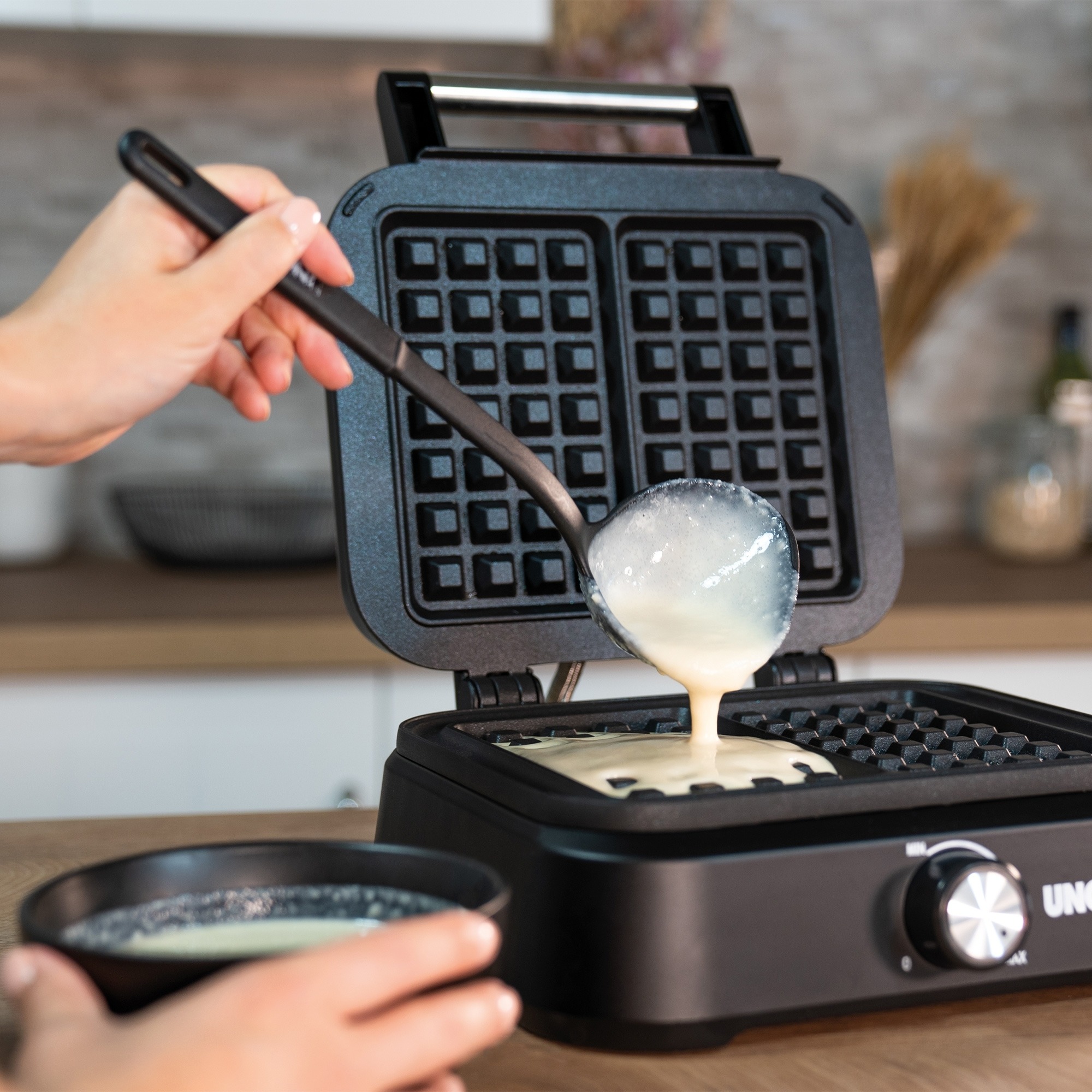
When traditional non-stick waffle makers heat up, especially to high temperatures (above 500°F or 260°C), these coatings can break down and release toxic fumes. Exposure to these fumes can lead to “polymer fume fever,” characterized by flu-like symptoms such as chills, fever, and headaches. More alarmingly, long-term exposure to PFAS has been linked to various health concerns, including certain cancers, thyroid issues, and immune system disruption.
It’s also important to be aware of deceptive labeling. Many products proudly declare themselves “PFOA-free,” which is a positive step, as PFOA has largely been phased out in manufacturing. However, a “PFOA-free” label does not automatically mean the product is “PTFE-free” or, crucially, “PFAS-free.” Manufacturers may substitute PFOA with other PFAS chemicals that have similar long-term health and environmental concerns. To truly ensure a non-toxic choice, you need to look beyond the surface.
The Safest Materials for a Non-Toxic Waffle Maker
When stepping into the world of non-toxic waffle makers, you’ll primarily encounter three reliable materials that stand out for their safety and durability: cast iron, certified PFAS-free ceramic coatings, and stainless steel. Each offers a unique waffle-making experience.
Cast Iron Waffle Makers
If you appreciate tradition and unparalleled durability, a cast iron waffle maker is your ultimate choice. These irons are typically stovetop models, though some niche electric versions exist.
- Pros:
- Pure and Chemical-Free: Cast iron is a single, solid piece of metal, completely free from any synthetic coatings or chemicals like PFAS, PFOA, PTFE, lead, or cadmium.
- Exceptional Heat Retention: It heats evenly and maintains temperature beautifully, leading to consistently golden, crispy waffles with soft interiors.
- Durability for Generations: Properly cared for, a cast iron waffle maker can last for decades, becoming a cherished family heirloom.
- Natural Non-Stick (with Seasoning): Once properly seasoned (a process of baking thin layers of oil onto the surface), cast iron develops a natural, chemical-free non-stick surface.
- Cons:
- Requires Seasoning and Maintenance: Cast iron demands a bit more attention, needing regular seasoning to maintain its non-stick properties and prevent rust.
- Heavier and More Cumbersome: These irons are substantial and can be heavier than their electric counterparts, requiring careful handling.
- Manual Operation: Most cast iron waffle makers are stovetop models, meaning you’ll need to manually flip them and monitor the cooking process.
- Learning Curve: Achieving perfect waffles on cast iron might take a few attempts to master the heat control and seasoning.
As Clara Johansson, a seasoned culinary historian and waffle enthusiast, often advises, “A well-seasoned cast iron waffle maker isn’t just cookware; it’s a testament to timeless craftsmanship and healthier cooking. It demands a little patience, but the rewards are truly extraordinary.”
Ceramic-Coated Waffle Makers (PFAS-Free)
For those who love the convenience of an electric waffle maker but want to avoid harmful chemicals, ceramic-coated models are a popular and generally safer alternative.
- Pros:
- Modern Non-Stick Convenience: They offer the ease of traditional non-stick without the associated chemical risks, making waffles simple to release and clean.
- Electric Options: Most ceramic waffle makers are electric, offering features like indicator lights, adjustable browning settings, and even flip functions.
- Easier Cleanup: The smooth ceramic surface is typically very easy to wipe clean, especially if the plates are removable and dishwasher-safe.
- Cons:
- “PFAS-Free” Verification is Key: Not all ceramic coatings are created equal. You must look for explicit labeling that states “PFAS-free,” “PFOA-free,” “PTFE-free,” “lead-free,” and “cadmium-free.” Many reputable brands use silica-based (sand-derived) ceramic coatings which are considered safer.
- Durability Varies: Ceramic coatings can be less durable than cast iron and may scratch or chip over time if not handled carefully, potentially exposing the aluminum base underneath.
- Potential Nano-Titanium Concerns: Some “PFAS-free” ceramic coatings still incorporate nano-titanium, which some researchers express caution about regarding long-term health impacts. Always research the specific coating technology if possible.
- No 100% Uncoated Electric Option: As of now, there are very few (if any) truly 100% uncoated electric waffle makers on the market. Ceramic is currently the best available option for electric models.
Stainless Steel Waffle Makers
While less common for waffle makers due to their lack of inherent non-stick properties, stainless steel is an excellent material for general cookware due to its inert and durable nature.
- Pros:
- Completely Inert and Safe: Stainless steel does not leach chemicals into food, making it a perfectly safe cooking surface.
- Extremely Durable: Highly resistant to rust, corrosion, and damage, stainless steel can last a lifetime.
- Cons:
- Not Naturally Non-Stick: Without a coating, stainless steel requires significant greasing to prevent waffles from sticking, which can be challenging to achieve consistently.
- Limited Availability: Dedicated stainless steel waffle makers are rare; you might find some commercial or specialized models, but they are not common for home use.
Key Factors to Consider When Buying a Non-Toxic Waffle Maker
Choosing the right non-toxic waffle maker involves more than just picking a material. Here’s what to look for to ensure you make an informed decision:
Material Certification and Transparency
Always prioritize products with clear and explicit labeling. Look for “PFAS-free,” “PFOA-free,” “PTFE-free,” “lead-free,” and “cadmium-free” certifications. Brands that are transparent about their coating composition (e.g., specifying “silica-based” or “sand-derived” ceramic) are generally more trustworthy. Don’t be fooled by vague “eco-friendly non-stick” claims without further detail.
Type of Waffle Maker
- Stovetop Waffle Makers: These are typically cast iron and offer a traditional, hands-on experience. They’re excellent for camping or homes with limited counter space, but require manual heat control and flipping.
- Electric Waffle Makers: Most ceramic-coated options are electric, offering convenience with features like temperature control, indicator lights, and automatic shut-off. They’re great for quick, consistent results.
Waffle Style
Do you prefer fluffy, deep-pocketed Belgian waffles, classic thinner American-style waffles, or cute mini waffles? Different models are designed for specific styles, so ensure your choice matches your waffle preference.
Essential Features
- Removable Plates: This is a game-changer for cleaning. Waffle makers with removable plates (especially ceramic ones) can often be washed more thoroughly, sometimes even in a dishwasher (though handwashing is often recommended for longevity).
- Adjustable Temperature Control: This allows you to customize your waffle’s crispiness, from lightly golden to dark and crunchy.
- Indicator Lights: “Ready” lights signal when the maker is preheated and when your waffle is done, preventing undercooked or overcooked results.
- Flip Function: Found on many Belgian waffle makers, this feature ensures even batter distribution and cooking on both sides.
Ease of Cleaning and Maintenance
Consider how much effort you’re willing to put into cleaning. Ceramic non-stick surfaces are generally easier to wipe down, while cast iron requires specific care like handwashing and re-seasoning.
Durability and Build Quality
Invest in a waffle maker that feels robust and well-made. A sturdy hinge, quality materials, and a reputable brand often indicate a product designed to last. As we often advise our readers at WaffleMasterPro, “Think of it as a long-term relationship, not a one-night stand. A well-built waffle maker will be a joyous kitchen companion for years.”
Getting Started with Your Non-Toxic Waffle Maker: First Use & Care
Once you’ve brought your new non-toxic waffle maker home, a little preparation and understanding go a long way in ensuring its longevity and optimal performance.
Initial Setup & Seasoning (Especially for Cast Iron)
- For Cast Iron: If your cast iron waffle maker isn’t pre-seasoned, you’ll need to do it yourself. This typically involves washing it with hot water (no soap for traditional cast iron), drying thoroughly, applying a thin layer of high smoke point oil (like grapeseed or flaxseed oil), and baking it in an oven or heating it on a stovetop until the oil polymerizes and creates a non-stick surface. Repeat this process a few times for best results. Even pre-seasoned cast iron benefits from a light re-seasoning after initial cleaning.
- For Ceramic: Give your ceramic plates a quick wash with warm, soapy water, rinse, and dry thoroughly before the first use. Some manufacturers recommend a “conditioning” step by wiping the plates with a little cooking oil.
Optimal Use Tips
- Preheat Properly: Always ensure your waffle maker is fully preheated before adding batter. This is critical for preventing sticking and achieving that perfect crispy exterior. Wait for the indicator light to signal readiness.
- Grease Generously (or Sparingly): Even with non-stick surfaces, a light coating of cooking oil or cooking spray is recommended for best release. For cast iron, this is essential. With modern PFAS-free ceramic, a very light spray might suffice.
- Don’t Overfill: Use just enough batter to fill the grids without overflowing. Overfilling leads to messy cleanup and unevenly cooked waffles. Start with a smaller amount and adjust as needed.
- Resist the Urge to Peek: Opening the waffle maker too early can disrupt the cooking process and cause waffles to tear. Let it cook for the recommended time or until steam stops escaping.
Cleaning and Storage
- Always Unplug and Cool Down: Never clean a hot waffle maker. Allow it to cool completely before touching the plates.
- Handwash is Best: While some ceramic plates are dishwasher-safe, handwashing with warm, soapy water and a soft cloth or sponge is usually best to preserve the non-stick coating and extend the life of your appliance.
- Avoid Abrasive Cleaners: Harsh scourers or metallic pads can damage both cast iron seasoning and ceramic coatings.
- For Stuck Batter: If you have stubborn bits of batter, dampen a cloth with warm water and lay it over the cooled plates for a few minutes to soften them, then gently wipe away.
- Dry Thoroughly (especially for Cast Iron): Moisture is cast iron’s enemy. Ensure it’s completely dry before storing to prevent rust. You can even place it on a warm stovetop for a few minutes to evaporate any residual water.
- Store Properly: Store your waffle maker in a clean, dry place. For stovetop cast iron, you might place a paper towel between the plates to absorb any moisture.
Delicious & Healthy Waffle Recipes for Your Non-Toxic Maker
Now for the fun part! Your non-toxic waffle maker is ready to create culinary masterpieces. Here are some ideas, from classic to creative:
Classic Buttermilk Waffles
A timeless favorite! Combine flour, baking powder, baking soda, a pinch of salt, sugar, eggs, melted butter, and buttermilk. The buttermilk reacts with the leavening agents for that signature fluffy texture.
Whole Wheat Waffles
For a heartier, more nutritious option, substitute half or all of the all-purpose flour with whole wheat flour. Add a tablespoon of flax seeds or chia seeds for extra fiber and omega-3s.
Gluten-Free Waffles
Many excellent gluten-free flour blends are available. Look for blends designed for baking or use a combination of rice flour, almond flour, and tapioca starch. Add a touch of xanthan gum for elasticity.
Savory Waffle Ideas
Waffles aren’t just for breakfast! Experiment with savory options:
- Cornbread Waffles: Use your favorite cornbread mix and serve with chili or fried chicken.
- Cheese & Herb Waffles: Add shredded cheddar, chives, and garlic powder to your batter. Pair with soup or a poached egg.
- Sweet Potato Waffles: Incorporate mashed sweet potato into your batter for a naturally sweet, nutrient-packed waffle.
Troubleshooting Common Waffle Making Issues
Even with the best non-toxic waffle maker, you might encounter a few bumps in your waffle journey.
- Waffles Sticking:
- Solution: Ensure the waffle maker is fully preheated. Generously grease the plates before each batch, even with non-stick coatings. For cast iron, consistent seasoning is key.
- Uneven Cooking:
- Solution: Make sure your waffle maker is level. If it’s a stovetop model, ensure the heat source is evenly distributed. For electric models, ensure proper preheating. Some flip models help with even distribution.
- Waffles Not Crispy Enough:
- Solution: Increase the cooking time slightly or adjust the browning setting (if available). Ensure your batter isn’t too thin or too thick. A bit of cornstarch in your recipe can also contribute to crispiness.
- As Dr. Anya Sharma, a food science expert, highlights, “The perfect crisp in a waffle often comes down to precise temperature control and proper moisture balance in the batter. Don’t rush the preheating, and trust your machine’s indicators.”
FAQ
Are all ceramic waffle makers non-toxic?
No, not all ceramic waffle makers are guaranteed non-toxic. While ceramic is generally safer than traditional Teflon (PTFE/PFOA), some coatings may still contain other PFAS chemicals or even nano-titanium that some experts are cautious about. Always look for explicit “PFAS-free” labeling.
Can I use a non-toxic waffle maker for gluten-free recipes?
Absolutely! Non-toxic waffle makers work perfectly with all types of batters, including gluten-free ones. Just ensure your gluten-free batter has the right consistency to prevent sticking or crumbling.
How often should I season my cast iron waffle maker?
A well-used and cared-for cast iron waffle maker might only need a light re-seasoning every few months, or whenever you notice food starting to stick. Daily seasoning isn’t necessary, but consistent light oiling before each use helps maintain the non-stick layer.
Is stainless steel a good choice for waffle makers?
While stainless steel is a highly non-toxic and durable material, it’s generally not the best choice for waffle makers due to its lack of natural non-stick properties. Waffles tend to stick aggressively to uncoated stainless steel, requiring excessive greasing and careful handling.
What’s the difference between PFOA-free and PFAS-free?
PFOA (Perfluorooctanoic Acid) is one specific chemical within the larger family of PFAS (Per- and Polyfluoroalkyl Substances) compounds. While PFOA has largely been phased out, a product labeled “PFOA-free” might still contain other PFAS chemicals, which are also known as “forever chemicals” due to their persistence in the environment and potential health concerns. For a truly non-toxic option, look for “PFAS-free.”
Conclusion
Embracing a non-toxic waffle maker is a delightful journey towards healthier eating and a more informed kitchen. By understanding the materials, knowing what chemicals to avoid, and recognizing the critical “PFAS-free” designation, you can confidently choose an appliance that aligns with your wellness goals. Whether you lean towards the timeless heritage of cast iron or the modern convenience of a certified PFAS-free ceramic electric model, a world of delicious, worry-free waffles awaits.
So go ahead, explore the possibilities, experiment with new recipes, and create those perfect, golden-brown waffles that bring joy to every meal. Your health-conscious kitchen, and your taste buds, will thank you for it! Happy waffling!