As a seasoned consultant with over 15 years in the baking equipment industry, specializing in everything from traditional to modern waffle production, I’ve seen countless establishments transform their breakfast and dessert menus with the right equipment. Among them, the Commercial Belgian Waffle Maker stands out as a true game-changer, elevating a simple batter into a culinary delight that consistently delights customers. On WaffleMasterPro, our mission is to empower you with the knowledge to make informed decisions, ensuring your investment truly enhances your business.
Belgian waffles, with their distinct deep pockets and delightfully airy, fluffy interior, offer a canvas for endless creativity, from classic sweet toppings to innovative savory combinations. For any foodservice business, from bustling diners to quaint cafés and high-volume buffet lines, a dedicated commercial Belgian waffle maker isn’t just an appliance; it’s a profit-generating powerhouse, engineered to meet the rigorous demands of a professional kitchen. These machines are built for speed, durability, and consistent performance, ensuring you can churn out perfect waffles, rush after rush.
The Unrivaled Appeal of Belgian Waffles in Commercial Settings
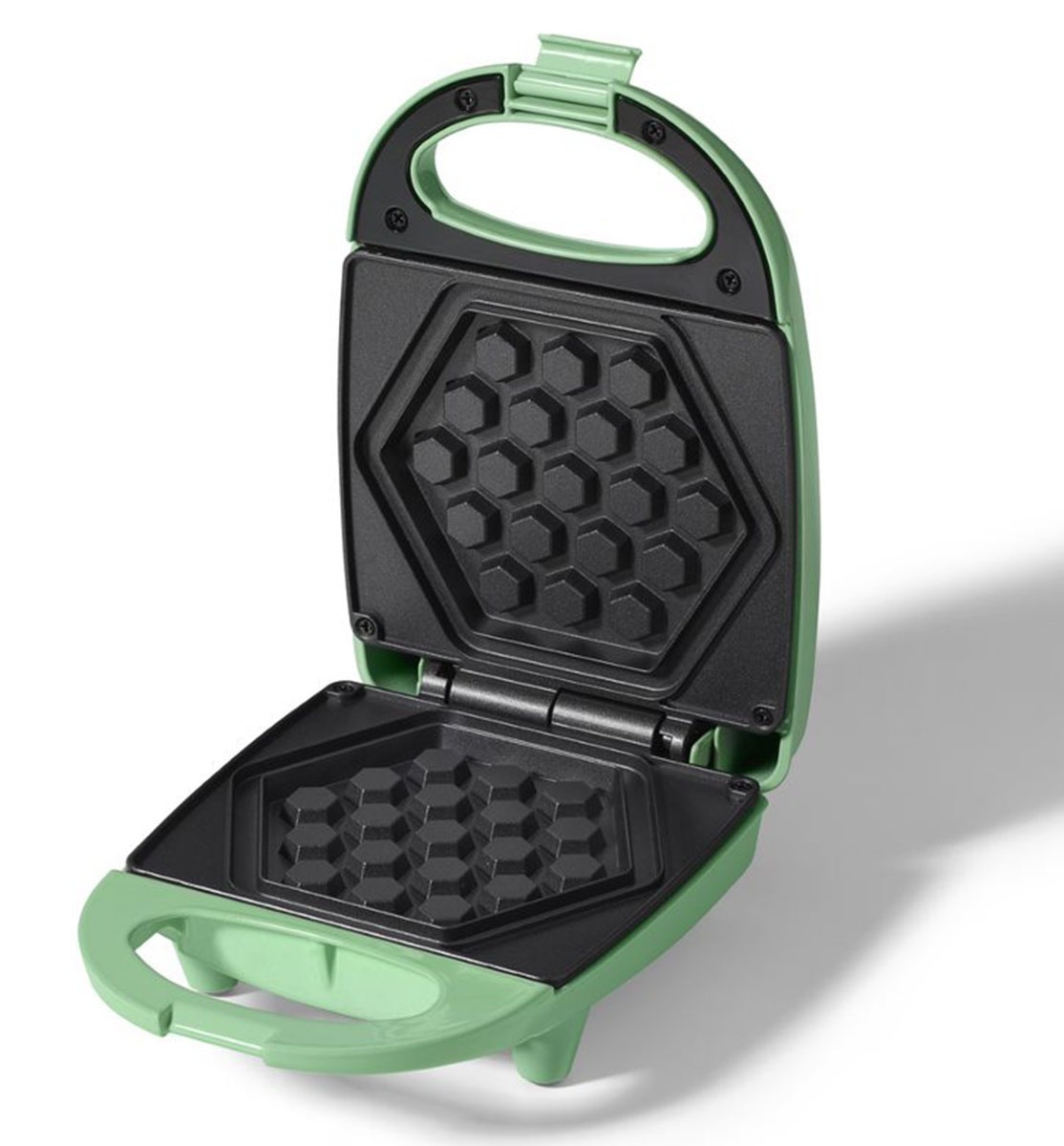
What makes a Belgian waffle so universally adored? It’s that perfect harmony of a crispy exterior giving way to a light, tender crumb, ideal for soaking up syrup, holding fresh fruit, or embracing a scoop of ice cream. In a commercial setting, this translates directly to customer satisfaction and repeat business. Unlike home models, which are designed for occasional use, a commercial Belgian waffle maker is a robust workhorse, constructed with heavy-duty materials and powerful heating elements to handle continuous operation and deliver consistent results. They typically feature deeper grids to accommodate the thicker, richer batter that defines a true Belgian waffle.
Navigating the Landscape: Types of Commercial Waffle Makers
While Belgian waffles are a star, the commercial market offers a variety of waffle makers to suit different culinary visions. You might encounter Liege waffle makers, designed for denser, dough-based waffles with caramelized sugar, or bubble waffle makers for the trendy, unique egg-shaped treats popular in street food. However, for that classic, thick, and fluffy experience, the commercial Belgian waffle maker reigns supreme. These machines are specifically crafted to produce the characteristic deep-pocketed, rectangular, or round waffles that customers expect, often at impressive rates of 20-60 waffles per hour, depending on the model and configuration.
Choosing Your Workhorse: Key Considerations for Buying a Commercial Belgian Waffle Maker
Selecting the perfect commercial Belgian waffle maker requires careful thought. It’s an investment that impacts your operational efficiency and the quality of your output. Here are the crucial factors to weigh:
Capacity and Efficiency
Consider your expected volume. Do you need a single-plate model for moderate demand, or a double or even multi-waffle maker to handle peak hours efficiently? Many commercial Belgian waffle makers come with a rotating or “flip” function, which helps distribute batter evenly and ensures consistent browning on both sides. This is a crucial feature for high-volume operations where speed and uniform quality are paramount. As Mr. Chef Antoine Dubois, a renowned pastry chef and culinary equipment specialist, often advises, “A commercial kitchen thrives on efficiency. Choose a machine that can keep pace without sacrificing quality. The ability to produce multiple consistent waffles quickly is non-negotiable.”
Build Quality and Durability
Commercial environments demand equipment that can withstand constant use and rigorous cleaning. Look for machines constructed from durable materials like stainless steel for the exterior, which offers excellent corrosion resistance and easy cleaning. The cooking plates themselves are often made of cast iron or cast steel for superior heat retention and even heat distribution. A high-quality non-stick coating, such as PTFE (Teflon), is essential for easy waffle release and hassle-free cleanup, reducing the risk of tearing and wasted product.
Precision Control
The best commercial Belgian waffle makers offer precise temperature controls, allowing you to fine-tune the heat for optimal browning and crispness. Integrated timers with audible alerts are invaluable in a busy kitchen, preventing over or undercooking and freeing up staff to manage other tasks. Indicator lights that signal when the machine is preheated and when the waffle is ready further streamline the cooking process.
Ease of Use and Cleaning
Beyond non-stick plates, features like removable plates significantly simplify the cleaning process, allowing for more thorough sanitation. Drip trays and overflow channels are essential for catching excess batter, keeping your workstation tidy and preventing sticky messes that can be difficult to clean and potentially damage the machine over time. A design that is intuitive for staff to operate, even during peak rushes, contributes to overall efficiency.
Power and Performance
A higher wattage typically translates to faster preheating and quicker temperature recovery between batches, which is critical for maintaining a steady output. Commercial machines are designed for continuous use, ensuring they can perform consistently throughout your busiest shifts without losing heat or slowing down.
Footprint and Placement
Measure your available counter space carefully. While double waffle makers offer increased capacity, they also require more room. Consider the electrical requirements of the unit and ensure your kitchen has adequate power outlets and ventilation to accommodate it safely and efficiently.
Price Spectrum
Commercial Belgian waffle makers range in price from entry-level models suitable for smaller operations or those just starting out, to high-end, heavy-duty units for bustling establishments. Your budget should align with your daily volume and the specific demands of your menu, balancing upfront cost with long-term performance and durability.
Mastering the Craft: Using Your Commercial Belgian Waffle Maker
Getting the most out of your commercial Belgian waffle maker involves a few key practices to ensure every waffle is a masterpiece.
Initial Setup and Seasoning: Before its first use, always clean and sanitize your new waffle maker according to the manufacturer’s instructions. Some cast-iron plates may require initial seasoning with a high-smoke-point oil (like vegetable or grapeseed oil) to create a natural non-stick surface. This involves heating the plates, applying a thin layer of oil, and letting it bake on, then wiping off any excess after cooling. Always refer to your specific model’s manual.
Preheating for Optimal Results: Always allow your waffle maker to preheat completely before adding batter. This ensures even cooking and prevents waffles from sticking. Most commercial models will have an indicator light or an audible signal to let you know when the optimal cooking temperature has been reached.
Perfect Batter Pouring Techniques: For evenly filled waffles, pour the batter into the center of the lower grid and gently spread it out to the edges with a heatproof spatula. Don’t overfill, as this can lead to messy overflow; a little less batter is often better. If your machine has a rotating function, close the lid and then flip it 180 degrees to ensure even batter distribution.
Achieving Desired Crispness and Browning: Most commercial machines offer adjustable browning controls. Experiment with different settings to find the perfect level of crispness and golden-brown color for your recipe and customer preference. Typically, higher settings yield crispier waffles.
Tips for Consistent Output During Peak Hours:
- Keep your batter prepped and readily accessible.
- Utilize double or rotating models to cook multiple waffles simultaneously.
- Rely on timers and indicator lights to standardize cooking times and prevent errors.
- Have serving plates and toppings ready for quick assembly.
Beyond the Basics: Advanced Waffle Recipes for Your Commercial Machine
Your commercial Belgian waffle maker isn’t limited to just breakfast! Its deep pockets and robust design make it perfect for a variety of creative culinary applications.
Sweet Belgian Waffles
The classic. Serve with fresh berries, whipped cream, chocolate syrup, or a dusting of powdered sugar. Don’t be afraid to incorporate flavors directly into your batter, like cinnamon-sugar swirls or finely chopped fruit.
Savory Belgian Waffles
These are gaining immense popularity. Think chicken and waffles, where a crispy fried chicken piece sits atop a fluffy waffle with a drizzle of spicy maple syrup. Or, use waffles as a base for breakfast sandwiches, layered with eggs, cheese, and bacon. For a unique twist, try incorporating herbs or cheese into your batter.
Gluten-Free Belgian Waffles
With increasing dietary needs, offering gluten-free options is a smart move. Many excellent gluten-free waffle mixes are available commercially, or you can develop your own recipe using alternative flours like rice, almond, or oat flour. Ensure your preparation area is free from cross-contamination if catering to severe allergies.
Extending Longevity: Cleaning and Maintenance Essentials
Proper cleaning and maintenance are critical to ensuring the longevity and optimal performance of your commercial Belgian waffle maker. Neglecting this can lead to sticking, uneven cooking, and even premature equipment failure.
Daily Routine:
- Power Off and Cool Down: Always turn off and unplug the unit, allowing it to cool completely before cleaning. This prevents burns and potential damage.
- Remove Loose Debris: Use a soft-bristle brush or a dry paper towel to gently brush crumbs and loose batter bits from the cooking plates.
- Wipe Surfaces: Dampen a soft cloth or sponge with warm water and a little mild dish soap. Gently wipe the non-stick surfaces, avoiding excessive water. For exterior cleaning, a soft, dry cloth is usually sufficient.
- Dry Thoroughly: Dry all parts completely with a soft towel to prevent rust, especially for cast iron plates.
Dealing with Stubborn Residue:
If batter adheres to the plates, pour a small amount of cooking oil onto the stuck-on residue and let it sit for 5-10 minutes to soften. Then, gently scrape it off with a wooden or silicone scraper. For more persistent residue, a paste made of baking soda and water can be applied, left to sit, and then gently wiped away.
Crucial Precautions:
- Never Immerse: Do not immerse the electrical unit in water or any other liquid.
- Avoid Harsh Abrasives: Steer clear of steel wool, abrasive scrub pads, or harsh chemical cleaners, as these can damage the non-stick coating and the machine’s finish.
- No Cold Water on Hot Plates: Rapid temperature changes can warp or crack cast iron plates. Always let the machine cool down before applying any liquids.
- Check User Manual: Always refer to your specific model’s user manual for detailed cleaning and maintenance instructions, as some models may have unique requirements, such as specific seasoning procedures.
Troubleshooting Common Waffle Woes
Even with the best commercial Belgian waffle maker, occasional issues can arise. Here’s how to tackle them:
- Waffles Sticking: Ensure plates are properly preheated and, if required for your model, lightly greased with a high-smoke-point oil or butter. Check for any residue buildup that might be compromising the non-stick surface. If using a newer machine with a factory non-stick coating, avoid greasing unless explicitly stated in the manual, as excess oil can lead to residue buildup over time.
- Uneven Cooking: This is often due to improper batter distribution or insufficient preheating. Make sure to spread the batter evenly and allow the machine to fully heat up before each waffle. A rotating model can greatly help with evenness.
- Waffles Not Crisp Enough: Adjust your browning setting to a higher temperature or increase cooking time slightly. Ensure your batter isn’t too thin or too thick, as consistency plays a role in texture.
Frequently Asked Questions About Commercial Belgian Waffle Makers
What’s the main difference between a commercial Belgian waffle maker and a standard home one?
A commercial Belgian waffle maker is designed for durability, high-volume output, and consistent performance in a professional kitchen, featuring more robust construction, faster heating, and often advanced controls compared to a home unit. It typically produces waffles with deeper pockets and a thicker profile.
How often should I clean my commercial waffle maker?
Daily cleaning after each use is essential to prevent batter buildup, maintain hygienic standards, and ensure optimal non-stick performance and longevity of the unit. Deep cleaning should be performed periodically as recommended by the manufacturer.
Can I use any waffle batter in a commercial Belgian waffle maker?
While most standard Belgian waffle batters will work, commercial machines benefit from batters optimized for their deep grids and high heat. Adjusting batter consistency and leavening agents (like yeast for a truly authentic Belgian waffle) can enhance results.
What kind of oil should I use for seasoning a commercial waffle maker?
For seasoning, especially if your plates are cast iron, use a high-smoke-point oil such as vegetable oil, grapeseed oil, or canola oil. Avoid oils with low smoke points that can burn and leave sticky residue.
How do I know when my commercial waffle maker is ready to use?
Most commercial Belgian waffle makers feature an indicator light that illuminates when the unit has reached its optimal preheating temperature, signaling it’s ready for batter. Some models also include an audible beep.
The WaffleMasterPro Promise: Unlock Your Waffle Potential
Investing in a commercial Belgian waffle maker is investing in your menu’s potential. With the right machine and a commitment to quality, you can deliver those perfect, golden-brown Belgian waffles that keep customers coming back for more. Whether you’re upgrading an existing kitchen or starting fresh, remember to prioritize durability, efficiency, and precise control. Embrace the versatility of these machines to expand your offerings beyond traditional breakfast, and don’t hesitate to experiment with new recipes. Your commercial Belgian waffle maker is poised to become one of the most beloved and profitable pieces of equipment in your culinary arsenal.