Welcome, fellow waffle enthusiasts! If you’ve ever dreamt of serving up those glorious, deep-pocketed delights with a perfectly crispy exterior and a wonderfully fluffy interior, then you’re undoubtedly thinking about the star of the show: the Belgian Waffle Maker. As someone who’s spent over 15 years steeped in the aroma of fresh-baked waffles, I can tell you that this isn’t just another kitchen appliance; it’s a gateway to culinary joy, a tool for transforming simple batter into magnificent masterpieces. Whether you’re a seasoned breakfast chef or just starting your journey into homemade delights, understanding the true potential of a Belgian waffle maker is the first step to unlocking a world of delicious possibilities.
What Makes a Belgian Waffle Maker Special?
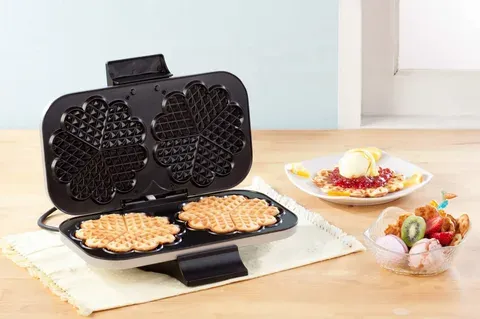
At first glance, a waffle maker is a waffle maker, right? Not quite! The distinguishing characteristic of a Belgian waffle maker lies in its design. Unlike conventional American-style waffle irons that produce thinner, denser waffles with shallow grids, Belgian models boast significantly deeper, larger pockets. This unique grid design allows for a greater volume of batter, resulting in those iconic thick, airy waffles that are perfect for holding an abundance of toppings, from fresh berries and whipped cream to savory fried chicken. The deeper grids also contribute to a distinct texture – often a delicate crispness on the outside, yielding to a light and fluffy interior. This difference isn’t just aesthetic; it’s fundamental to the entire waffle experience.
Types of Belgian Waffle Makers: Finding Your Perfect Match
The market offers a delightful array of Belgian waffle makers, each designed to cater to different needs and preferences. Understanding these variations is key to choosing the best one for your kitchen.
Traditional Non-Flip Models
These are the most common and often the most budget-friendly. You simply pour in the batter, close the lid, and wait. They are straightforward and great for beginners.
Flip-Style Belgian Waffle Makers
Considered by many aficionados to be superior, flip waffle makers allow you to rotate the iron 180 degrees after pouring the batter. This ensures the batter is evenly distributed across both heating plates, resulting in a more consistent cook, uniform browning, and that signature airy texture. If evenness is your priority, a flip model is a fantastic choice.
Mini Belgian Waffle Makers
Perfect for single servings, small kitchens, or for making fun, snack-sized waffles. These compact units are great for quick breakfasts or dessert portions without the fuss of a larger appliance.
Professional and Commercial Grade Waffle Makers
For serious home cooks, frequent entertainers, or even small cafes, professional models offer enhanced durability, faster heating times, and often more precise temperature control. They are built for consistent, high-volume use and typically feature robust construction and stronger heating elements.
Key Features to Consider Before You Buy
Choosing the right Belgian waffle maker goes beyond just picking a type. Several features can significantly impact your waffle-making experience:
- Non-Stick Coating: A high-quality non-stick surface is paramount for easy waffle release and hassle-free cleaning. Look for durable, PFOA-free coatings.
- Browning Control Settings: Many models offer adjustable browning settings, allowing you to customize your waffles from light and golden to deep and crispy.
- Indicator Lights & Audible Alerts: “Ready” lights or beeps take the guesswork out of knowing when the iron is preheated and when your waffle is cooked to perfection.
- Overflow Channel: A common issue is overfilling. An overflow channel catches excess batter, preventing messy spills onto your countertop.
- Removable Plates: For the ultimate ease in cleaning, some premium models feature removable, dishwasher-safe plates. This is a game-changer for maintenance.
- Wattage: Higher wattage generally means faster preheating and more consistent temperature recovery between batches, which is crucial for busy mornings.
- Material: Stainless steel offers durability and a sleek look, while some prefer the heat retention of cast iron (though these require more diligent seasoning and care).
“The secret to a truly great Belgian waffle isn’t just the recipe; it’s the maker that brings it to life. Investing in a model with excellent heat distribution and a reliable non-stick surface makes all the difference,” advises Clara Beaumont, a seasoned pastry chef and kitchen appliance expert.
First Waffle Adventure: Getting Started with Your Belgian Waffle Maker
So, you’ve unboxed your new Belgian waffle maker. Now what? Getting started is easier than you think!
- Read the Manual: Seriously, every appliance is a little different. Your manual will have specific instructions for initial use, seasoning (if required), and recommended care.
- Initial Cleaning: Wipe down the cooking plates with a damp cloth to remove any manufacturing residue. For non-stick surfaces, a light seasoning with cooking oil on a paper towel might be recommended before first use.
- Preheat Thoroughly: This is crucial! Most Belgian waffle makers have an indicator light that tells you when it’s reached the optimal temperature. Don’t rush this step, as inadequate preheating can lead to sticky, unevenly cooked waffles.
- Lightly Oil (Optional): Even with a non-stick coating, a very light spray of cooking oil or a brush of melted butter on the plates before the first waffle of each session can ensure perfect release.
- Pour the Batter: Fill the lower grid, being careful not to overfill. A good starting point is usually ¾ to 1 cup of batter for a standard Belgian waffle maker, but this varies. Close the lid gently.
- Cook and Wait: Allow the waffle to cook until the indicator light signals it’s done, or steam stops escaping from the sides. Avoid opening the lid prematurely, as this can disrupt the cooking process and cause sticking.
- Remove with Care: Use non-metal tongs or a heat-resistant spatula to gently lift the cooked waffle from the grids. Metal utensils can damage the non-stick coating.
Mastering the Art: Tips for Perfect Belgian Waffles Every Time
Achieving that legendary Belgian waffle perfection consistently involves a few insider tricks:
- Batter Consistency is Key: Belgian waffle batter is typically thicker than pancake batter. If your recipe uses yeast, allow ample time for it to rise, creating that characteristic airy texture. If it’s a baking powder/soda recipe, avoid overmixing.
- Don’t Overfill: This is a common rookie mistake. Overfilling leads to messy spills and unevenly cooked waffles. Start with a smaller amount and adjust as you learn your specific machine.
- Resist the Urge to Peek: Opening the lid too early releases heat and moisture, which can prevent proper browning and crisping, and may cause the waffle to stick or tear.
- Even Heat Distribution: For non-flip models, try pouring the batter directly into the center and letting it spread naturally. For flip models, ensuring a full 180-degree rotation immediately after closing the lid will help.
- Keep Them Crispy: If you’re making a batch, don’t stack hot waffles. Place them on a wire rack in a single layer on a baking sheet in a warm oven (around 200°F or 90°C) to keep them warm and crispy while you finish cooking.
- Fresh Ingredients Matter: Use fresh eggs, good quality flour, and active leavening agents (fresh yeast, baking powder/soda) for the best results.
Beyond Basic: Delicious Belgian Waffle Recipes
Your Belgian waffle maker is a versatile tool for both sweet and savory creations. Here are a couple of ideas to get you started:
Classic Buttermilk Belgian Waffles
This recipe delivers a perfectly fluffy and tangy waffle.
- Ingredients: 2 cups all-purpose flour, 2 tbsp sugar, 1 tbsp baking powder, 1 tsp baking soda, ½ tsp salt, 2 large eggs (separated), 1¾ cups buttermilk, ½ cup melted unsalted butter, 1 tsp vanilla extract.
- Instructions:
- In a large bowl, whisk together flour, sugar, baking powder, baking soda, and salt.
- In a separate bowl, whisk egg yolks, buttermilk, melted butter, and vanilla.
- Add the wet ingredients to the dry ingredients, mixing until just combined (a few lumps are okay). Do not overmix.
- In a clean bowl, beat egg whites until stiff peaks form. Gently fold the egg whites into the batter.
- Cook according to your Belgian waffle maker’s instructions until golden brown. Serve immediately with your favorite toppings.
Savory Cheddar and Chive Waffles
A fantastic option for brunch or dinner.
- Ingredients: 1½ cups all-purpose flour, 1 tbsp baking powder, ½ tsp salt, ¼ tsp black pepper, 1 cup milk, 2 large eggs, ¼ cup melted butter, 1 cup shredded sharp cheddar cheese, 2 tbsp chopped fresh chives.
- Instructions:
- Whisk together flour, baking powder, salt, and pepper.
- In another bowl, whisk milk, eggs, and melted butter.
- Combine wet and dry ingredients, mixing until just incorporated.
- Fold in shredded cheddar and chives.
- Cook in your preheated Belgian waffle maker until golden brown and cheese is melted and bubbly.
- Serve with fried chicken, bacon, or a poached egg.
Keeping It Pristine: Cleaning and Maintaining Your Belgian Waffle Maker
Proper cleaning and maintenance will ensure your Belgian waffle maker lasts for years and continues to produce perfect waffles.
- Unplug and Cool Completely: Always allow the appliance to cool down completely before attempting to clean it.
- Wipe Down the Plates: For non-removable plates, gently wipe down the cooking surfaces with a damp cloth or paper towel to remove any batter residue or oil. For stubborn bits, a wooden skewer or soft silicone spatula can help scrape them off without damaging the non-stick coating.
- Avoid Abrasives: Never use abrasive scrubbers, harsh detergents, or metal utensils, as these can scratch and degrade the non-stick surface.
- Removable Plates: If your model has removable plates, you’re in luck! Simply detach them and wash them by hand with warm, soapy water or place them in the dishwasher if they are dishwasher-safe.
- Clean the Exterior: Wipe the exterior housing with a damp cloth. Avoid submerging the appliance in water.
- Storage: Store your Belgian waffle maker in a clean, dry place. Many models offer vertical storage to save counter or cabinet space.
Troubleshooting Common Waffle Woes
Even experienced waffle makers encounter issues. Here’s how to tackle some common problems:
Waffles Sticking to the Maker
- Cause: Not preheating enough, not enough oil, damaged non-stick coating, or opening the lid too early.
- Fix: Always preheat until the indicator light is on. Lightly oil the plates (even non-stick) before each batch. Ensure your non-stick coating isn’t scratched. Wait for the cooking cycle to complete.
Waffles Are Soggy, Not Crispy
- Cause: Batter is too thin, not enough cooking time, or waffles were stacked while hot.
- Fix: Adjust batter consistency (add a little more flour if too thin). Cook longer until steam dissipates. Place cooked waffles on a wire rack to cool slightly or keep warm in an oven, never stack immediately.
Unevenly Cooked Waffles
- Cause: Uneven batter distribution, inconsistent heat across the plates, or the maker wasn’t level.
- Fix: For non-flip models, pour batter directly in the center. For flip models, ensure a full rotation. Check that your waffle maker is on a stable, flat surface. Some cheaper models may naturally have hot and cool spots.
Frequently Asked Questions
What’s the main difference between a Belgian waffle maker and a standard waffle maker?
The primary difference lies in the grid depth. A Belgian waffle maker features much deeper grids, creating thicker, lighter, and fluffier waffles with larger pockets, ideal for holding generous amounts of syrup and toppings. Standard waffle makers produce thinner, denser waffles.
Can I use regular waffle batter in a Belgian waffle maker?
Yes, you can, but for the best results, it’s recommended to use a recipe specifically formulated for Belgian waffles. These batters are often richer and designed to rise more, creating the signature airy texture that benefits from the deeper pockets of a Belgian waffle maker.
How do I prevent my waffles from sticking?
Ensure your Belgian waffle maker is thoroughly preheated before adding batter. Lightly oil or spray the grids, even if they’re non-stick, before each batch. Avoid opening the lid too early during the cooking process.
Is a flip Belgian waffle maker worth it?
Many users find flip models beneficial because they promote more even batter distribution and consistent browning, resulting in superior waffles. While often pricier, the improved results can be well worth the investment for serious waffle lovers.
How do I clean a Belgian waffle maker with non-removable plates?
After the appliance has completely cooled and is unplugged, gently wipe down the cooking plates with a damp cloth or paper towel to remove any residue. Use a wooden skewer for stubborn bits. Never use abrasive cleaners or metal utensils.
How long does it take to cook a Belgian waffle?
Cooking times vary depending on the specific model, wattage, and your desired level of crispness. Generally, a Belgian waffle takes between 3 to 6 minutes to cook, often indicated by a ready light or when steam stops escaping.
Conclusion
The Belgian waffle maker is more than just a kitchen gadget; it’s an invitation to create delightful culinary experiences right in your own home. With its ability to produce those distinctively thick, crispy-on-the-outside, fluffy-on-the-inside waffles, it stands in a class of its own. By understanding the different types, key features, and mastering a few simple techniques, you’re well on your way to becoming a waffle wizard. So, go ahead, experiment with new recipes, pile on your favorite toppings, and savor every delicious bite. Your journey with the Belgian waffle maker is just beginning, and trust me, it’s going to be wonderfully tasty.