In the bustling symphony of a modern kitchen, few appliances sing a more harmonious tune than the humble yet mighty waffle panini maker. This ingenious device, a true testament to culinary innovation, effortlessly bridges the gap between sweet breakfast indulgence and savory gourmet delights. Imagine waking up to the aroma of freshly made, perfectly golden waffles, then later in the day transforming that same appliance into a press for a beautifully toasted, cheesy panini. This isn’t just a kitchen gadget; it’s a versatile culinary companion designed to elevate your everyday meals and free up valuable counter space.
|
Our Picks for the Best Waffle Maker in 2026
As an Amazon Associate I earn from qualifying purchases.
|
||
| Num | Product | Action |
|---|---|---|
| 1 | Dyna-Living Waffle Maker 2400W Double Waffle Iron Maker Restaurant Non-stick Round Waffle Machine Commercial Waffle Maker Large Waffle Machine for Hotel, Thicken Stainless Steel |

|
| 2 | Cuisinart Round Flip Belgian Waffle Maker, Black/Silver, 1 inch thick, WAF-F30NAS |
|
| 3 | Beautiful Electric Rotating Belgian Waffle Maker, Waffle Irons, 900W, Makes Five 1-Inch Thick Waffles, 7 Settings, Non-Stick Plates, Compact Storage, Cool-Touch Handle, (Black Sesame) |
|
| 4 | Electric Hotdog Waffle Maker Machine Corn Dog Maker 6 Slice Non-Stick Stainless Steel Waffle Baker Machine |
|
| 5 | Cuisinart Waffle Maker, 1250W Round Classic Waffle Iron, 5-Setting Adjustable Browning Control, WMR-CANAS, Brushed Stainless |
|
| 6 | Amazon Basics 3-in-1 Sandwich Maker, Panini Press and Waffle Maker with Removable Plates, 760W |
|
| 7 | Chefman Rotating Belgian Waffle Maker, 180° Flip Iron w/ Non-Stick Plates, Adjustable Timer, Locking Lid, & Drip Plate, Space Saving Storage, Mess-Free Breakfast, Stainless Steel/Black |
|
| 8 | Cuisinart Waffle Maker, 1250W Round Classic Waffle Iron, 5-Setting Adjustable Browning Control, WMR-CAP2, Brushed Stainless |
|
| 9 | Cuisinart Double Flip Belgian Waffle Maker, WAF-F40NAS |
|
| 10 | Commercial Waffle Maker, 1200W Waffle Iron, Professional Rotatable Waffle Baker Machine with Temp and Time Control, Non-Stick Baking Pan Stainless Steel for Restaurant Bakeries Kitchen Home |
|
The Marvel of Multi-Functionality: What is a Waffle Panini Maker?
At its core, a waffle panini maker is a multi-functional kitchen powerhouse that typically combines the deep, patterned plates of a waffle iron with the flat, grilling surface of a panini press. Many models even extend their utility further, offering a 3-in-1 experience with additional grill plates, allowing you to sear meats or vegetables with ease. It’s a game-changer for anyone who loves variety but despises clutter. Instead of investing in and storing three separate appliances, you get one compact unit that does the job of them all. This versatility means you can whip up everything from classic Belgian waffles for brunch to a satisfying grilled cheese for lunch or a gourmet panini for dinner, all with a quick plate swap. It truly simplifies your cooking routine and expands your culinary horizons without demanding extra real estate in your kitchen.
Unpacking the Plates: Types of Waffle Panini Makers
The market offers a delightful array of waffle panini makers, each with unique features designed to cater to different culinary needs and preferences. Understanding the distinctions will help you pick the perfect fit for your home.
Removable vs. Fixed Plates
One of the most significant differentiators lies in the cooking plates themselves. Many popular models, such as those from Black+Decker or some Cuisinart varieties, boast removable, interchangeable plates for waffles, panini, and grilling. This feature is a cleaning dream come true, as these plates are often non-stick and dishwasher-safe, eliminating the dreaded scrubbing chore. Simply pop them out, and into the dishwasher they go. In contrast, some more budget-friendly or older models might have fixed plates. While still functional, cleaning these requires more care and manual wiping.
Adjustable Hinges and Floating Lids
For panini enthusiasts, an adjustable or floating hinge is a crucial feature. This allows the top plate to move up and down freely, accommodating sandwiches of varying thicknesses without crushing them. This is particularly useful for achieving even pressure and browning on hearty, overstuffed paninis.
Temperature Controls and Browning Settings
Advanced waffle panini makers offer greater control over your cooking. Look for models with adjustable temperature dials or multiple browning settings. This allows you to customize the crispiness of your waffles and the toastiness of your paninis, ensuring every creation is just to your liking. Some even feature independent heat control for each plate, which is fantastic if you’re using it as an open grill.
Size and Footprint
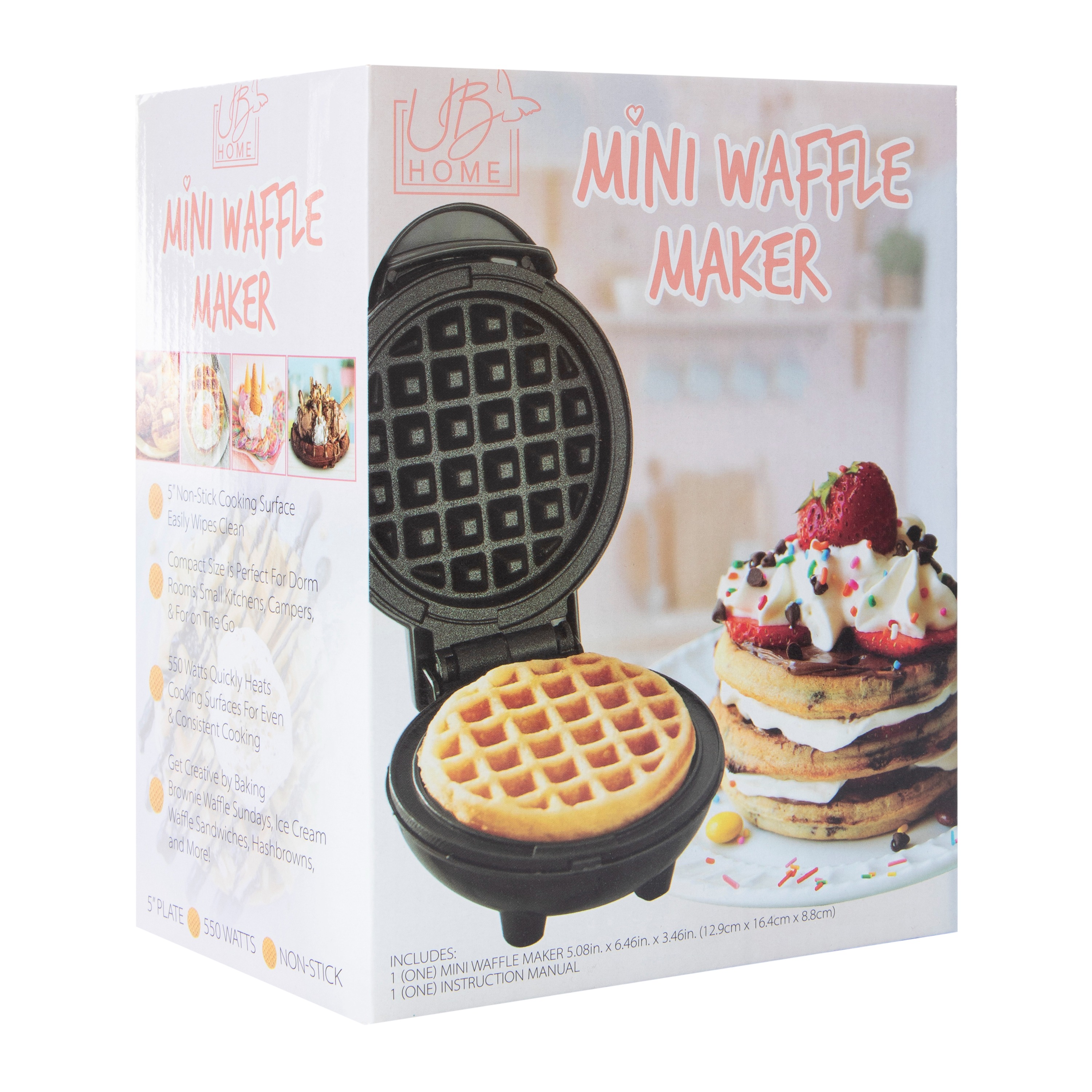
From compact mini devices perfect for dorm rooms or small apartments to larger, family-sized machines, waffle panini makers come in various sizes. Some models are designed for vertical storage, a clever space-saving solution for tight kitchens. Consider your available counter and storage space before making a choice.
Choosing Your Culinary Companion: Key Features to Look For
Selecting the right waffle panini maker requires a keen eye for features that enhance both performance and convenience. As a WaffleMasterPro expert, I’ve seen what truly makes a difference in user experience and culinary results.
Removable, Non-Stick Plates
This is arguably the most crucial feature. Removable plates (often dishwasher-safe) are a blessing for cleanup, transforming a messy task into a breeze. A high-quality non-stick coating, such as Durathon ceramic, is vital to prevent food from sticking, ensuring your waffles and paninis slide off easily and maintaining the integrity of your food and the machine.
Even Heat Distribution
Nothing is more disappointing than a waffle that’s crispy on one side and soggy on the other, or a panini with uneven browning. Look for machines known for consistent and even heat distribution across their plates. This ensures uniform cooking and a perfectly golden finish every time.
Power and Preheat Time
A powerful heating system (measured in watts) translates to quicker preheating and faster cooking. While some models heat up in just a couple of minutes, others might take longer. If you’re often in a rush, a machine with a fast preheat time, like the GreenPan Elite, can be a significant advantage.
Adjustable Temperature Control
The ability to adjust the temperature allows for greater versatility. Lower settings are ideal for delicate items, while higher heat creates crispier textures and quicker searing. Some premium models even offer precise temperature control for different cooking functions.
Size and Storage
Consider your kitchen space. If you have limited counter or cabinet space, a compact model or one designed for vertical storage with a cord wrap will be a lifesaver.
Durability and Build Quality
Invest in a machine with a sturdy build that feels substantial. Durable materials and reliable construction ensure your waffle panini maker will withstand frequent use and last for years to come. Reviews often highlight the longevity of brands known for their robust kitchen appliances.
Getting Started: First Use and Pro Tips for Your Waffle Panini Maker
Unboxing a new waffle panini maker is an exciting moment, but a few initial steps and ongoing tips will ensure you get the best performance and longevity from your appliance.
First Use Essentials
- Read the Manual: Always start by reading your specific model’s instruction manual. It contains vital information on initial setup, specific preheating times, and maintenance.
- Clean the Plates: Even new appliances can have manufacturing residues. Wash removable plates with warm, soapy water, or wipe fixed plates with a damp cloth. Dry thoroughly.
- Initial Burn-Off: Many manufacturers recommend running the machine empty for 5-10 minutes on its highest setting during its first use. This helps burn off any residual manufacturing oils, which might produce a slight odor. Ensure good ventilation during this step.
- Lightly Season (Optional but Recommended): For non-stick plates, a very light coating of cooking oil or spray before the first actual cook can help “season” them, enhancing their non-stick properties.
Pro Tips for Optimal Results
- Always Preheat Thoroughly: Don’t rush it! Ensure your machine reaches its optimal cooking temperature before adding batter or sandwiches. Indicator lights will usually signal when it’s ready. This prevents sticking and ensures even cooking.
- Grease Generously (Initially): Even with non-stick plates, a light application of cooking spray or melted butter can be beneficial, especially for waffles, to ensure a perfect release and crispy exterior.
- Don’t Overfill: This is a common mistake! For waffles, start with slightly less batter than you think you need and adjust. Overfilling leads to messy overflows and unevenly cooked results. For paninis, avoid sandwiches that are too thick for the machine’s hinge.
- Even Spread: When making waffles, ensure the batter is evenly distributed. Some newer models have vertical pour spouts to help with this. For paninis, position your sandwich centrally.
- Resist the Urge to Peek: Opening the lid too early, especially for waffles, can interrupt the cooking process and result in less crispy outcomes. Trust the indicator lights!
- Press Gently (for Paninis): While you want good contact for a panini, excessive force isn’t always necessary and can squeeze out fillings. A floating hinge helps distribute pressure naturally.
Beyond the Basics: Delicious Recipes for Your Waffle Panini Maker
The true magic of a waffle panini maker lies in its ability to inspire a diverse range of culinary creations. From breakfast staples to unexpected dinner ideas, its versatility is a chef’s delight.
Classic Waffles
- Belgian Waffles: Aim for thick, fluffy interiors and crisp, deep pockets perfect for holding syrup and fruit. A good recipe will feature yeast or whipped egg whites for that signature airy texture.
- Classic American Waffles: Thinner and often crispier, these are quick to make and endlessly customizable with sweet or savory toppings.
- Savory Waffles: Think outside the breakfast box! Try cheddar and chive waffles, or even cornmeal waffles with a hint of jalapeño, served with fried chicken or chili.
- Gluten-Free Waffles: Experiment with almond, oat, or rice flour blends to create delicious gluten-free options that are just as satisfying.
Gourmet Paninis
The “waffled” grooves add an extra layer of crispy texture that elevates any sandwich.
- Classic Caprese Panini: Fresh mozzarella, ripe tomatoes, basil leaves, a drizzle of balsamic glaze, all pressed between slices of artisanal bread.
- Chicken Pesto Panini: Slices of cooked chicken breast, generous pesto, provolone cheese, and roasted red peppers, pressed until golden and gooey.
- Ham and Gruyère: A sophisticated take on grilled ham and cheese, using good quality ham and nutty Gruyère, perhaps with a touch of Dijon mustard.
- Veggie Delight Panini: Grilled zucchini, bell peppers, spinach, feta cheese, and a spread of hummus on whole-grain bread.
Creative “Waffled” Creations
Don’t limit yourself to just waffles and paninis! The waffle maker’s unique surface can revolutionize other dishes:
- Waffled Grilled Cheese: The ultimate crispy grilled cheese, with perfect melt-lines.
- Waffled Quesadillas: Crispy, cheesy, and perfectly portioned, made by pressing tortillas with your favorite fillings.
- Waffled Hash Browns: Shredded potatoes pressed into crispy, golden-brown patties.
- Waffled Omelets: A quick and easy way to make a fluffy, evenly cooked omelet.
- Dessert Waffles: Try pressing cookie dough, cinnamon rolls, or even s’mores ingredients for a warm, gooey treat.
Keeping It Pristine: Cleaning and Maintenance Made Easy
A clean waffle panini maker isn’t just about hygiene; it’s about prolonging the life of your appliance and ensuring consistent, delicious results.
For Removable Plates
This is where removable plates truly shine. After the plates have cooled completely:
- Detach Plates: Follow your manufacturer’s instructions to safely remove the plates.
- Wash: Most removable non-stick plates are dishwasher-safe. If handwashing, use warm, soapy water and a soft sponge. Avoid abrasive scrubbers that can damage the non-stick coating.
- Dry Thoroughly: Ensure plates are completely dry before reattaching them or storing.
For Fixed Plates
If your appliance has fixed plates:
- Cool Down: Always allow the machine to cool completely before cleaning.
- Wipe Down: Use a damp cloth or paper towel to wipe away any excess batter or food residue. For stubborn spots, a slightly damp sponge with a drop of mild dish soap can be used, followed by a clean, damp cloth to remove soap residue.
- Use a Brush: A soft-bristled brush (like a pastry brush) can help dislodge crumbs from the waffle grids.
- Avoid Submerging: Never immerse the entire appliance in water.
- Grease Run-Off Channels: If your model has these, ensure they are cleaned regularly to prevent grease buildup.
General Maintenance Tips
- Exterior Cleaning: Wipe the exterior with a damp cloth. Avoid harsh chemicals or abrasive cleaners.
- Cord Care: Always wrap the power cord neatly when storing. Some models have integrated cord storage.
- Storage: Store your waffle panini maker in a cool, dry place. If it’s a compact model, vertical storage can save space.
- Gentle Utensils: Only use non-metal utensils (silicone, wood, plastic) to remove food from the plates to avoid scratching the non-stick surface.
Troubleshooting Common Waffle Panini Woes
Even seasoned home chefs encounter minor issues. Here’s how to tackle common problems with your waffle panini maker:
- Food Sticking to Plates:
- Solution: Ensure the plates are thoroughly preheated before adding food. Lightly grease the plates with cooking spray or butter, even if they’re non-stick, especially for the first few uses or with new batter recipes. Check the quality of your non-stick coating; if it’s worn, it might be time for a new appliance or replacement plates if available.
- Uneven Cooking or Browning:
- Solution: Make sure the appliance is fully preheated. Distribute batter or sandwich fillings evenly. Avoid opening the lid repeatedly during cooking, as this releases heat. For paninis, ensure the top plate makes good contact.
- Waffles Not Crispy Enough (or too soft):
- Solution: Increase the cooking time slightly or use a higher browning setting if available. Ensure your batter isn’t too thin; a thicker batter often yields a crispier waffle. Don’t overload the machine, as too much batter can steam rather than crisp.
- Panini Not Melting or Getting Golden:
- Solution: Check the temperature setting. If fixed, ensure the machine is plugged in long enough to get hot. Apply gentle, consistent pressure on the lid. Make sure your bread isn’t too thick for the machine to press effectively.
- Overflowing Batter:
- Solution: This is almost always due to overfilling. Start with less batter and gradually add more if needed in future uses. For Belgian waffles, typically around 1/2 to 3/4 cup of batter per waffle is a good starting point.
FAQ
Q: Can I use a regular waffle maker as a panini press?
A: Yes, you can! While a dedicated panini press or a hybrid waffle panini maker offers flat or ribbed grill plates, a standard waffle maker with its deep grids can still create excellent paninis with a unique, deeply textured crust. Just remember to grease it well and avoid overly thick sandwiches.
Q: What’s the best type of bread for paninis?
A: Ciabatta, focaccia, sourdough, and thicker slices of artisanal bread are excellent choices for paninis. Their sturdy texture holds up well to pressing and provides a satisfying crunch. Regular sandwich bread can also work, but opt for something with a bit more body.
Q: How do I prevent my waffles/paninis from sticking?
A: The key is thorough preheating, using a good quality non-stick coating, and lightly greasing the plates with cooking spray, butter, or oil before each use. Avoid using metal utensils that can scratch and damage the non-stick surface.
Q: Are 3-in-1 machines as good as dedicated ones?
A: Modern 3-in-1 waffle panini makers have come a long way. Many, especially those with removable plates and good power, perform exceptionally well across all functions, offering great value and space-saving benefits without significant compromise. Premium models like the GreenPan Elite are highly rated for their versatility and precision.
Q: How long does it take to cook a panini/waffle?
A: Cooking times vary by model and desired crispiness. Waffles typically take 3-7 minutes, while paninis can be ready in 3-5 minutes, often indicated by a light or an audible beep. Thicker foods or lower settings will require longer cooking times.
Conclusion
The waffle panini maker is more than just another appliance; it’s an invitation to explore a world of culinary possibilities, simplifying your kitchen while expanding your menu. From the joy of a perfectly golden, fluffy waffle to the satisfying crunch of a gourmet panini, this versatile gadget is a cornerstone for quick, delicious meals. With the right features, proper care, and a dash of culinary creativity, your waffle panini maker will become an indispensable tool, turning everyday ingredients into extraordinary dishes. So go ahead, experiment with new recipes, perfect your favorites, and savor every moment with this remarkable machine. Join our WaffleMasterPro community and share your waffle and panini masterpieces!