Hey there, fellow food enthusiasts and kitchen adventurers! If you’re anything like me, your kitchen isn’t just a place to cook; it’s a canvas for culinary creativity, a hub of delicious possibilities. And if you’re looking to unlock a whole new world of quick, easy, and incredibly tasty meals, then let’s talk about the waffle sandwich maker. This isn’t just another gadget gathering dust; it’s a game-changer, a versatile powerhouse that brings the joy of crispy waffles and perfectly pressed sandwiches right to your countertop.
For years, we’ve cherished the dedicated waffle iron for its golden, fluffy creations and the trusty sandwich toaster for its warm, gooey fillings. But what if you could have the best of both worlds, and then some, in one sleek, space-saving appliance? Enter the waffle sandwich maker. This ingenious device is designed to transform your breakfast, lunch, dinner, and snack times with unparalleled ease and efficiency, making it an indispensable tool for busy households and culinary explorers alike.
|
Our Picks for the Best Waffle Maker in 2026
As an Amazon Associate I earn from qualifying purchases.
|
||
| Num | Product | Action |
|---|---|---|
| 1 | Cuisinart Waffle Maker, 1250W Round Classic Waffle Iron, 5-Setting Adjustable Browning Control, WMR-CAP2, Brushed Stainless |

|
| 2 | Cuisinart Double Flip Belgian Waffle Maker, WAF-F40NAS |
|
| 3 | Commercial Waffle Maker, 1200W Waffle Iron, Professional Rotatable Waffle Baker Machine with Temp and Time Control, Non-Stick Baking Pan Stainless Steel for Restaurant Bakeries Kitchen Home |
|
| 4 | Dyna-Living Waffle Maker 2400W Double Waffle Iron Maker Restaurant Non-stick Round Waffle Machine Commercial Waffle Maker Large Waffle Machine for Hotel, Thicken Stainless Steel |
|
| 5 | Cuisinart Waffle Maker, 1250W Round Classic Waffle Iron, 5-Setting Adjustable Browning Control, WMR-CANAS, Brushed Stainless |
|
| 6 | Amazon Basics 3-in-1 Sandwich Maker, Panini Press and Waffle Maker with Removable Plates, 760W |
|
| 7 | Cuisinart Round Flip Belgian Waffle Maker, Black/Silver, 1 inch thick, WAF-F30NAS |
|
| 8 | Electric Hotdog Waffle Maker Machine Corn Dog Maker 6 Slice Non-Stick Stainless Steel Waffle Baker Machine |
|
| 9 | Chefman Rotating Belgian Waffle Maker, 180° Flip Iron w/ Non-Stick Plates, Adjustable Timer, Locking Lid, & Drip Plate, Space Saving Storage, Mess-Free Breakfast, Stainless Steel/Black |
|
| 10 | Beautiful Electric Rotating Belgian Waffle Maker, Waffle Irons, 900W, Makes Five 1-Inch Thick Waffles, 7 Settings, Non-Stick Plates, Compact Storage, Cool-Touch Handle, (Black Sesame) |
|
The Rise of the Waffle Sandwich Maker: Why It’s a Modern Kitchen Essential
In today’s fast-paced world, convenience and versatility are paramount in kitchen appliances. The waffle sandwich maker perfectly embodies this need, offering a compelling blend of functionality that traditional single-purpose machines simply can’t match. It’s a multi-tasker that saves you precious counter space and simplifies your cooking routine. Imagine whipping up a batch of classic Belgian waffles for Sunday brunch, then seamlessly switching to crispy grilled cheese sandwiches for lunch, and even pressing juicy paninis for a weeknight dinner – all with the same appliance. This inherent multi-functionality makes the waffle sandwich maker a truly invaluable asset, especially for those living in smaller apartments or anyone aiming to declutter their kitchen.
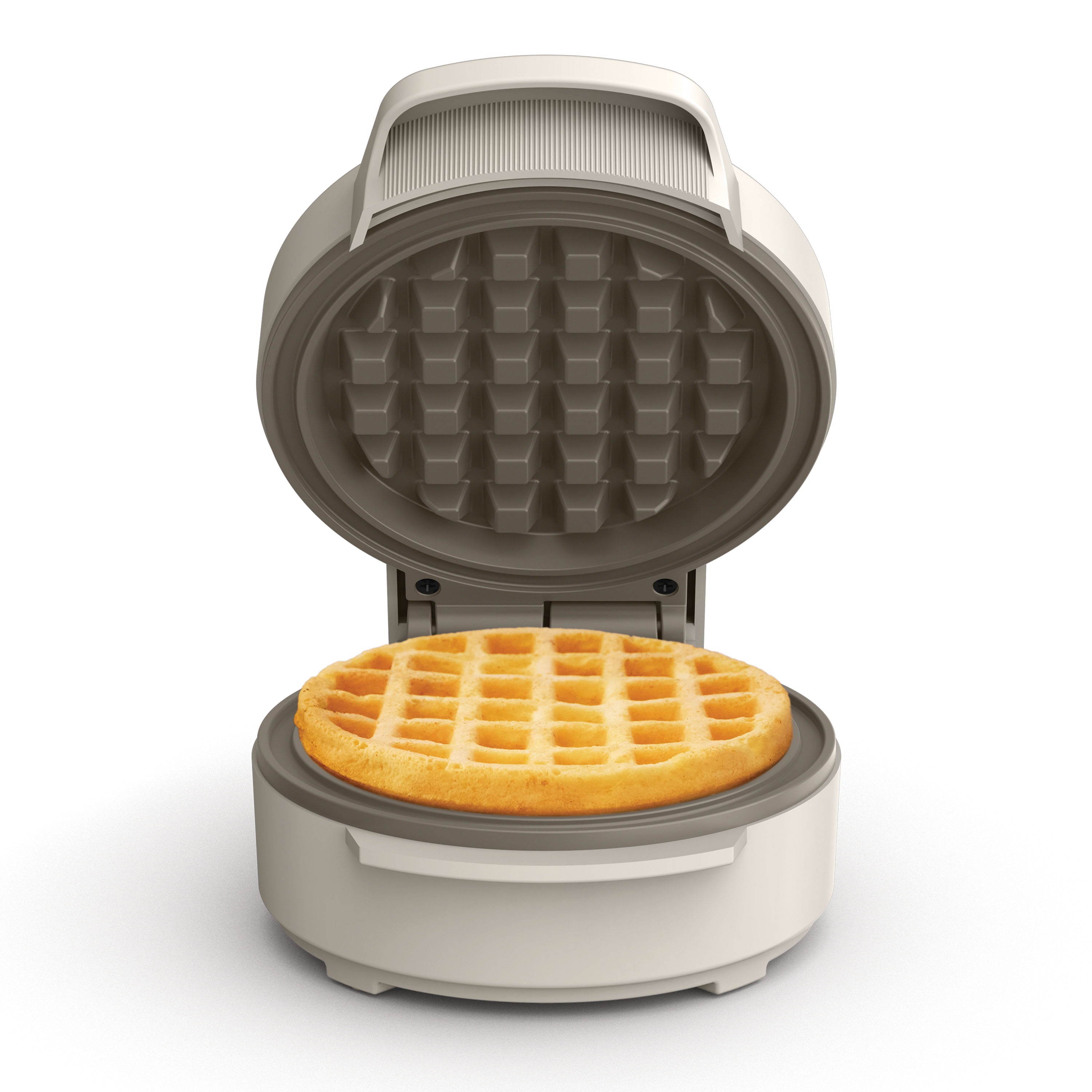
“The modern kitchen demands appliances that do more with less,” says Amelia Chen, a renowned culinary equipment expert and long-time contributor to WaffleMasterPro. “A good waffle sandwich maker isn’t just about making two things; it’s about making a whole range of dishes possible without dedicating extra space to multiple devices. It truly redefines kitchen efficiency.”
Types of Waffle Sandwich Makers: Finding Your Perfect Match
When diving into the world of waffle sandwich makers, you’ll quickly discover that not all models are created equal. The key differentiator often lies in their design and the type of plates they offer.
The most popular configuration is the 3-in-1 Multi-Purpose Appliance. These typically come with three sets of interchangeable plates:
- Waffle Plates: Featuring the classic grid pattern for creating those iconic pockets, perfect for holding syrup and toppings.
- Sandwich Plates: Designed to toast and seal the edges of your sandwiches, often dividing them into triangular pockets.
- Grill/Panini Plates: Flat or ridged surfaces that act like a mini contact grill, ideal for pressing paninis, grilling meats, or even making quesadillas.
Some variations might offer 4-in-1 functionality, adding a griddle plate for pancakes and eggs, further expanding their utility. While dedicated sandwich makers might sometimes be adapted for waffles with specific techniques, the true “waffle sandwich maker” boasts dedicated, removable plates for both functions, ensuring optimal results for each. The depth of these plates also varies, with “deep-fill” options being excellent for generously stuffed sandwiches and thicker Belgian waffles. Understanding these variations is crucial to selecting a waffle sandwich maker that aligns perfectly with your culinary aspirations.
What to Look For: A Buyer’s Guide to Waffle Sandwich Makers
Choosing the right waffle sandwich maker can seem daunting with the array of options available. As a seasoned expert, I can tell you that focusing on a few key features will guide you to a truly exceptional appliance that stands the test of time.
Interchangeable & Non-Stick Plates
This is the cornerstone of a superior waffle sandwich maker. Look for models with easily removable and interchangeable plates. This allows you to effortlessly switch between making waffles, sandwiches, or grilled items. Even better, ensure these plates feature a high-quality non-stick coating. A robust non-stick surface, like the German Greblon coating found in some premium models, guarantees easy food release and makes cleaning a breeze. Without good non-stick, you’ll spend more time scraping than savoring.
Power (Wattage)
The wattage of your waffle sandwich maker directly impacts its heat-up time and cooking consistency. Higher wattage, typically ranging from 700W to 1500W, means quicker preheating and more even cooking temperatures. This is vital for achieving that perfect golden-brown crispness on your waffles and evenly toasted finish on your sandwiches, without having to wait impatiently.
Temperature Control
While some basic waffle sandwich makers have simple on/off functionality, advanced models offer adjustable temperature control. This feature provides precision, allowing you to tailor the heat for different recipes. For instance, delicate savory waffles might require a lower temperature, while a thick, hearty panini might benefit from higher heat to get that satisfying crust. This control empowers you to experiment and perfect your creations.
Size & Capacity
Consider your household size and counter space. Do you cook for one, a couple, or a family? Waffle sandwich makers typically offer space for one, two, or even four sandwiches or waffles at a time. Compact designs are excellent for small kitchens or dorms, often featuring upright storage capabilities to save space. Larger models are fantastic for feeding a crowd quickly, but require more storage room. Think about how many servings you typically need before making your choice.
Safety Features
Kitchen safety is paramount. Look for a waffle sandwich maker with cool-touch handles to prevent accidental burns when opening or closing the lid. A locking latch is also a great feature, ensuring the plates are securely pressed together for even cooking and preventing accidental openings, especially important if children are around. Indicator lights that signal when the appliance is preheated and ready to cook are also incredibly helpful.
Ease of Cleaning
Let’s be honest, no one enjoys a difficult cleanup. This is where removable and dishwasher-safe plates truly shine. They can be popped out and cleaned under the tap or in the dishwasher, saving you significant time and effort. For models with fixed plates, a good non-stick coating is even more critical, as you’ll rely on wiping them down while warm with a damp cloth. Also, look for grease run-off channels that direct excess oils into a drip tray, simplifying cleanup and promoting healthier cooking.
Storage
Many waffle sandwich makers are designed with convenience in mind, offering features like vertical storage and integrated cord winders. These thoughtful touches make a big difference if you have limited cabinet or counter space, helping to keep your kitchen tidy and organized.
Mastering Your Waffle Sandwich Maker: Tips & Tricks
Owning a waffle sandwich maker is just the first step; truly mastering it will elevate your culinary game. Here are some pro tips to ensure perfect results every time:
First Use & Seasoning (if applicable)
Always read your specific model’s manual. Some non-stick surfaces benefit from a light “seasoning” before first use – usually a quick wipe with a little cooking oil and then heating the appliance up. For all new appliances, it’s wise to run them empty for a few minutes the first time to burn off any manufacturing residues.
Preheating for Optimal Results
Patience is a virtue, especially with your waffle sandwich maker. Always allow the appliance to fully preheat before adding any food. Most models have an indicator light that signals when they’ve reached the optimal cooking temperature. This ensures even cooking and prevents food from sticking.
Greasing (When and How)
Even with non-stick plates, a very light spray of cooking oil or a brush of melted butter can enhance crispness and flavor, and further guarantee easy food release. If your batter or sandwich bread already contains fats, you might not need much, but a little goes a long way, especially for that initial batch.
The Art of Filling: Don’t Overload
This is a common mistake! While deep-fill plates invite generous stuffing, overfilling can lead to uneven cooking, messy overflows, and difficulty closing the lid securely. Start with a moderate amount of batter or filling, and learn your appliance’s capacity. You can always add more next time.
Cooking Times: Achieving Perfection
Cooking times will vary based on your waffle sandwich maker’s wattage, the thickness of your batter or sandwich, and your desired level of crispness. Most waffles take 4-6 minutes for a golden-brown finish. Sandwiches might be ready in 3-5 minutes. Don’t peek too soon! Opening the lid prematurely can disrupt the cooking process and lead to undercooked results. Rely on indicator lights or a gentle lift of the lid only when you suspect it’s ready.
Beyond Breakfast: Creative Recipes for Your Waffle Sandwich Maker
The beauty of the waffle sandwich maker lies in its versatility. It’s not just for classic breakfast items; it’s a launchpad for endless culinary exploration.
Classic Waffles: A Quick Recipe
Let’s start with the basics. For light and fluffy waffles, combine 1.5 cups all-purpose flour, 1 tbsp sugar, 2 tsp baking powder, 1/2 tsp salt. In a separate bowl, whisk 1 egg, 1.25 cups milk, and 1/4 cup melted butter or oil. Combine wet and dry ingredients until just mixed (don’t overmix!). Pour about 1/2 to 3/4 cup of batter onto the preheated waffle plates, close, and cook until golden brown. Serve with your favorite toppings!
Gourmet Grilled Cheese & Paninis
Your waffle sandwich maker excels at turning simple ingredients into delightful pressed meals. For a gourmet grilled cheese, butter the outside of your bread, fill with a mix of cheeses (cheddar, Gruyère, provolone), and perhaps a slice of tomato or ham. Cook on the sandwich or grill plates until golden and gooey. For paninis, use artisan bread, load it with deli meats, cheese, pesto, and roasted vegetables, then press until warm and crisp. The grill plates will give you those lovely char marks!
Savory Surprises
Think outside the breakfast box! Use your grill plates for quick quesadillas filled with cheese and salsa. Hash browns can be pressed into crispy patties. You can even make mini pizza pockets by using puff pastry or bread dough filled with sauce, cheese, and pepperoni. The sealed edges of the sandwich plates are perfect for these kinds of creations.
Sweet Treats
Beyond traditional waffles, try pressing brioche or challah bread for a unique French toast-waffle hybrid. Fill dessert waffles with chocolate chips, berries, or even ice cream for a decadent treat. You can also press fruit slices like apples or peaches for a warm, caramelized snack.
Cleaning and Maintenance: Keeping Your Appliance Pristine
A well-maintained waffle sandwich maker is a happy waffle sandwich maker, ensuring years of delicious meals.
Importance of Immediate Cleaning
The easiest time to clean is usually when the appliance is still warm (but not hot!). Food residue is softer and easier to remove. Always unplug and allow to cool slightly before touching.
Removable vs. Fixed Plates: Techniques
For removable, dishwasher-safe plates, simply unclip them once cool and place them in the dishwasher or wash by hand with warm, soapy water. For fixed plates, wait until the appliance is cool enough to touch. Wipe down the non-stick surfaces with a damp cloth or paper towel. For stubborn bits, use a soft nylon brush or a wooden/silicone spatula to gently scrape them away. Never use abrasive cleaners or metal utensils, as these can damage the non-stick coating.
Proper Storage
Once clean and completely dry, store your waffle sandwich maker in a dry place. Many models are designed for upright storage, which is a fantastic space-saver. Utilize any built-in cord wraps to keep cables tidy and prevent damage.
Troubleshooting Common Waffle Sandwich Maker Woes
Even experienced chefs encounter bumps in the road. Here’s how to tackle common issues:
Food Sticking
- Cause: Not enough oil, plates not fully preheated, or damaged non-stick coating.
- Fix: Ensure proper preheating. Apply a light layer of cooking oil or butter before each batch. If plates are old and scratched, it might be time for a replacement or a new appliance.
Uneven Cooking
- Cause: Uneven batter distribution, too much or too little filling, or a non-level cooking surface.
- Fix: Distribute batter or filling evenly. Avoid overfilling. For multi-purpose devices, ensure the top plate sits squarely on the food. Rotating the food halfway through cooking can sometimes help with fixed-plate models.
Overflowing Batter/Filling
- Cause: Overfilling the plates.
- Fix: Start with less batter or filling than you think you need, especially when getting familiar with a new waffle sandwich maker. Most recipes call for about 1/2 to 3/4 cup of batter per waffle section. For sandwiches, leave about a half-inch margin from the edges.
FAQ
Can I use regular sandwich bread for waffles?
While you technically can, using regular sandwich bread on waffle plates won’t create a traditional waffle. It will produce a pressed, crispy sandwich with a waffle pattern. For actual waffles, you need batter.
What’s the difference between a waffle sandwich maker and a panini press?
A waffle sandwich maker, particularly a 3-in-1 model, typically includes interchangeable plates for waffles, sandwiches (often sealed pockets), and grill/panini pressing. A dedicated panini press usually only has flat or ridged grill plates for pressing sandwiches and doesn’t offer waffle plates.
How do I know when my food is done?
Most waffle sandwich makers have indicator lights that turn on when the appliance is preheated and often turn off or change color when the food is cooked. For waffles, steam production also slows significantly. For sandwiches, you can visually check for golden-brown crispness.
Are the plates truly non-stick?
High-quality waffle sandwich makers feature durable non-stick coatings that work very well. However, over time and with improper care (e.g., using metal utensils), the coating can degrade. Always use plastic, silicone, or wooden utensils to protect the surface.
Can I make gluten-free waffles/sandwiches?
Absolutely! Many excellent gluten-free waffle batters are available, both commercially and as recipes. For sandwiches, simply use your favorite gluten-free bread and fillings. The waffle sandwich maker works just as effectively with gluten-free ingredients.
Conclusion
The waffle sandwich maker is much more than a fleeting kitchen trend; it’s a testament to the evolution of home cooking, offering unparalleled versatility, convenience, and a gateway to a world of culinary delights. From the crisp, fluffy joy of a perfectly cooked waffle to the warm, gooey satisfaction of a pressed sandwich, this multi-talented appliance simplifies meal preparation and sparks creativity.
As a dedicated advocate for optimized kitchen experiences, I firmly believe that investing in a quality waffle sandwich maker is an investment in your daily joy. It’s about creating memorable meals with ease, experimenting with new flavors, and bringing a touch of professional flair to your home cooking. So, go ahead, explore the possibilities, and let your waffle sandwich maker become the trusty centerpiece of your culinary adventures. Happy cooking, and may your waffles be golden and your sandwiches perfectly pressed!