There’s something undeniably magical about a perfectly crafted Belgian waffle. That alluring aroma, the inviting golden-brown hue, and, most importantly, those signature deep pockets just begging to be filled with syrup, fresh fruit, or a dollop of whipped cream. It’s more than just breakfast; it’s an experience, a little slice of culinary joy. But to consistently achieve this level of waffle perfection at home, you need the right tool for the job: the best Belgian waffle maker.
As someone who has spent over 15 years immersed in the world of baking appliances, from the traditional cast-iron griddles to the sleek, smart machines of today, I’ve seen how a quality Belgian waffle maker can truly transform your morning routine. It’s not just about cooking; it’s about unlocking a new realm of breakfast possibilities, effortlessly delivering those restaurant-quality results right in your own kitchen.
|
Our Picks for the Best Waffle Maker in 2026
As an Amazon Associate I earn from qualifying purchases.
|
||
| Num | Product | Action |
|---|---|---|
| 1 | Cuisinart Double Flip Belgian Waffle Maker, WAF-F40NAS |

|
| 2 | Chefman Rotating Belgian Waffle Maker, 180° Flip Iron w/ Non-Stick Plates, Adjustable Timer, Locking Lid, & Drip Plate, Space Saving Storage, Mess-Free Breakfast, Stainless Steel/Black |
|
| 3 | Commercial Waffle Maker, 1200W Waffle Iron, Professional Rotatable Waffle Baker Machine with Temp and Time Control, Non-Stick Baking Pan Stainless Steel for Restaurant Bakeries Kitchen Home |
|
| 4 | Electric Hotdog Waffle Maker Machine Corn Dog Maker 6 Slice Non-Stick Stainless Steel Waffle Baker Machine |
|
| 5 | Beautiful Electric Rotating Belgian Waffle Maker, Waffle Irons, 900W, Makes Five 1-Inch Thick Waffles, 7 Settings, Non-Stick Plates, Compact Storage, Cool-Touch Handle, (Black Sesame) |
|
| 6 | Cuisinart Waffle Maker, 1250W Round Classic Waffle Iron, 5-Setting Adjustable Browning Control, WMR-CAP2, Brushed Stainless |
|
| 7 | Cuisinart Round Flip Belgian Waffle Maker, Black/Silver, 1 inch thick, WAF-F30NAS |
|
| 8 | Dyna-Living Waffle Maker 2400W Double Waffle Iron Maker Restaurant Non-stick Round Waffle Machine Commercial Waffle Maker Large Waffle Machine for Hotel, Thicken Stainless Steel |
|
| 9 | Amazon Basics 3-in-1 Sandwich Maker, Panini Press and Waffle Maker with Removable Plates, 760W |
|
| 10 | Cuisinart Waffle Maker, 1250W Round Classic Waffle Iron, 5-Setting Adjustable Browning Control, WMR-CANAS, Brushed Stainless |
|
Understanding Belgian Waffle Makers: More Than Just a Griddle
What exactly sets a Belgian waffle apart from its “regular” counterparts? It’s all about dimension and texture. Belgian waffles are typically thicker, featuring deeper, larger pockets that create a delightful contrast: a wonderfully crispy exterior yielding to a light, airy, and fluffy interior. This unique structure is designed to hold an abundance of toppings, making every bite a rich blend of flavors and textures. Standard, or American-style, waffles tend to be thinner with shallower pockets, cooking more quickly and offering a less substantial bite.
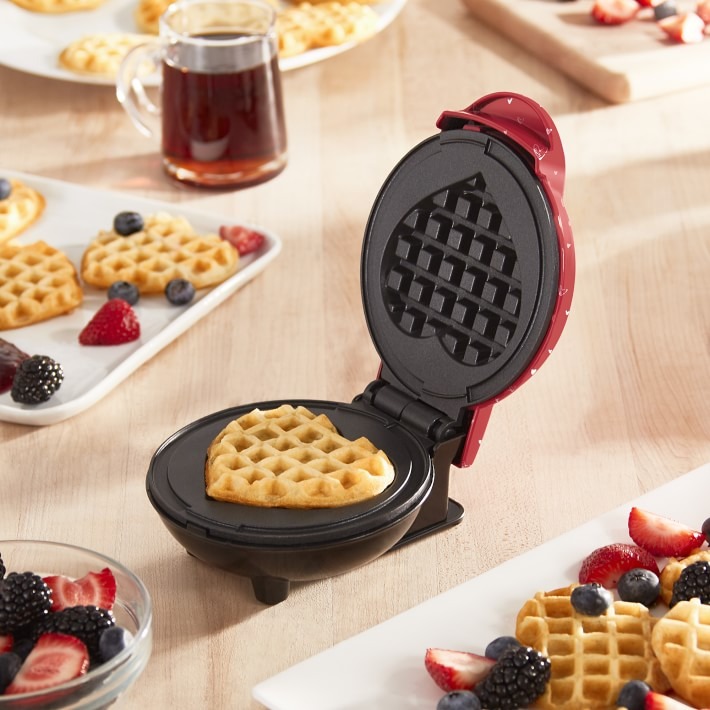
The market today offers an impressive array of Belgian waffle makers, each designed with specific features to cater to different needs and preferences. You’ll primarily encounter these variations:
- Standard Clamshell Models: These are your classic, often compact units where you pour batter onto a non-stick surface and close the lid. Simple, straightforward, and great for occasional use.
- Rotating/Flip Waffle Makers: Designed to ensure even batter distribution and consistent browning, these models allow you to flip the cooking plates 180 degrees during the process. Many professional kitchens favor this design for its reliability.
- Vertical Waffle Makers: A newer innovation, these space-saving designs feature a vertical pour spout, minimizing mess and often ensuring incredibly even cooking as the batter flows downward.
- Double Waffle Makers: Ideal for feeding a crowd, these machines can cook two Belgian waffles simultaneously, drastically cutting down on waiting time during busy brunches.
Factors to Consider When Choosing Your Best Belgian Waffle Maker
Selecting the perfect Belgian waffle maker can feel like a quest, but by focusing on a few key considerations, you’ll be well on your way to golden, crispy perfection.
Capacity
How many hungry mouths are you feeding? Waffle makers come in various capacities, from single-slice mini units perfect for individuals or dorm rooms to models that can churn out two or even four waffles at once. If you frequently host brunch or have a large family, a double or four-slice model, like the KRUPS 4-Slice Belgian Waffle Maker, can be a game-changer, significantly speeding up your breakfast service.
Browning Control & Settings
The ability to customize your waffle’s crispness is a hallmark of a great machine. Look for models with adjustable browning controls, offering a range from light and tender to deep golden and extra crispy. High-end units, such as the Breville Smart Waffle Pro, may even offer specialized settings for different batter types (Belgian, classic, chocolate, buttermilk) and an “A Bit More” function for that extra touch of crispness without restarting the whole cycle. These features empower you to achieve your perfect waffle texture every time.
Nonstick Coating & Material
A superior nonstick coating is crucial for easy waffle release and hassle-free cleanup. Without it, you risk a sticky mess and torn waffles. Look for durable, high-quality coatings like ceramic nonstick (often PFAS/PFOA-free, like the Thermolon Volt coating on the GreenPan Elite) or advanced NeverStick surfaces.
The material of the cooking plates also plays a role. Cast aluminum heats quickly and evenly, while cast iron offers exceptional heat retention, though it may take longer to preheat. Some premium models even offer interchangeable plates, allowing you to switch between Belgian and classic styles, or even grill and panini plates for added versatility.
Design & Footprint
Consider your kitchen space. While a rotating waffle maker is fantastic for even cooking and achieving that professional thickness, it can be quite bulky. Vertical designs, such as the Ninja NeverStick PRO, are excellent for small kitchens, offering a compact footprint and often a mess-free pouring experience. Aesthetically, waffle maker exteriors range from simple plastic to elegant stainless steel, which might influence your choice if it’s a countertop staple.
Ease of Cleaning
This is where a good waffle maker truly shines. Removable, dishwasher-safe plates are a dream come true for effortless cleaning. Many models, like the GreenPan Elite or KRUPS 4-Slice, feature this convenient design. For units with fixed plates, look for integrated drip trays or moats designed to catch any overflow batter, preventing sticky spills on your countertop.
Power (Wattage)
The wattage of a waffle maker indicates its heating power. Higher wattage (e.g., 1000W-1800W) generally means faster preheating and quicker cooking times. While a powerful machine is great, consistent heat distribution is equally important to avoid unevenly cooked waffles.
Safety Features
Always prioritize safety, especially if little ones are around. Look for cool-touch handles, a stable base, and a weighted or locking lid to prevent accidental openings. Audible beeps and clear indicator lights that signal preheating and cooking completion are also incredibly helpful, allowing you to multitask without constantly monitoring the machine.
Price & Value
Waffle makers span a wide price range. Budget-friendly options can offer great basic functionality, while mid-range and high-end models provide more advanced features, better build quality, and enhanced durability. Consider how frequently you’ll use it and the specific features that are non-negotiable for your waffle-making adventures.
Top Contenders: A Look at the Best Belgian Waffle Makers
Over the years, certain models have consistently impressed home cooks and professionals alike for their ability to deliver outstanding Belgian waffles.
For a reliable, all-around performer, the Cuisinart 4-Slice Belgian Waffle Maker (WAF-200) often stands out. It’s user-friendly, consistently produces beautifully quartered waffles with its six heat settings, and boasts a nonstick surface that simplifies cleanup. While it can be a bit bulky, its consistent performance makes it a solid choice.
If you’re willing to invest in premium features, the Breville The Smart Waffle Pro 4 Slice is a splurge-worthy option. Its “Waffle IQ” system automatically adjusts time and temperature based on your chosen waffle type and browning level, displayed on an intuitive LCD screen. Plus, its clever overflow moat catches any excess batter, transforming it into extra crispy bits rather than a countertop mess.
For innovation and mess-free convenience, the Ninja NeverStick PRO Waffle Maker with its unique vertical design is a compelling option. You pour batter from the top, which helps ensure even distribution and minimizes drips. Its NeverStick coating and specialized settings for different batters further enhance the experience.
Those seeking high capacity and a classic flip design often gravitate towards models like the Cuisinart Double Flip Belgian Waffle Maker. It mimics the professional restaurant experience, allowing you to cook two waffles at once and often featuring a removable, dishwasher-safe drip tray to manage any spills. For a more budget-friendly rotating option, the Chefman Rotating Belgian Waffle Maker provides excellent vertical storage and a convenient 180-degree flip for even cooking.
Mastering Your Belgian Waffle Maker: Tips for Perfect Waffles Every Time
Even with the best Belgian waffle maker, a few pro tips can elevate your waffle game from good to extraordinary.
First-Time Use & Seasoning
Always read your manufacturer’s instructions for initial setup. Most nonstick waffle makers don’t require seasoning in the traditional sense, but a quick wipe-down and perhaps a light initial greasing can help condition the plates.
Preheating is Key
Patience is a virtue here! Always allow your waffle maker to fully preheat before adding batter. Most electric models have an indicator light or an audible beep to signal when it’s reached the optimal cooking temperature. Starting with a hot iron ensures that crispy exterior and prevents sticking.
The Right Batter Quantity
This is a common pitfall. Too little batter leads to incomplete waffles, while too much causes messy overflow. Your user manual will suggest a starting point (e.g., half a cup per waffle), but you might need to adjust slightly based on your specific batter consistency. Using a measuring cup consistently can help you find that sweet spot.
Achieving Golden Crispness
Resist the urge to peek! Opening the lid too early can lead to torn waffles and prevent proper crisping. Wait for the indicator light or beep, or for the steam to significantly subside, which often signals a fully cooked waffle. Experiment with your browning settings to discover your preferred level of crispness. “For a truly exceptional Belgian waffle,” advises Chef Isabelle Dubois, “it’s about crafting a perfect symphony of a crisp exterior and a tender, airy interior, turning a simple breakfast into a culinary delight.”
Batter Secrets for Belgian Waffles
The magic is in the mix! For that signature light and fluffy Belgian texture, many recipes call for separating egg whites from yolks. Beat the egg whites to stiff peaks and then gently fold them into the batter. This incorporates air, resulting in a lighter, more tender waffle. Adding a touch of cornstarch to your dry ingredients can also contribute to a wonderfully crispy finish. A classic Belgian waffle batter typically includes all-purpose flour, baking powder, salt, sugar, eggs, milk, melted butter or oil, and vanilla extract.
Common Waffle Woes and How to Fix Them
- Sticking Waffles: Ensure your plates are adequately greased (even nonstick surfaces benefit from a light spray or brush of oil). Too much sugar in your batter can also contribute to sticking.
- Uneven Cooking: Make sure batter is spread evenly. Rotating models are designed to help with this. If using a stationary model, gently nudge the batter to the edges before closing the lid.
- Soggy Waffles: Avoid stacking hot waffles immediately after cooking. The trapped steam can make them soft. Place them on a wire rack or a baking sheet in a warm oven (around 200°F) to keep them warm and crispy until serving.
Cleaning and Maintaining Your Belgian Waffle Maker
Waffle makers, with their intricate grids, can seem daunting to clean, but with the right approach, it’s surprisingly simple.
Safety First
Always unplug your waffle maker and allow it to cool completely before attempting any cleaning. Never submerge an electric waffle maker in water.
Basic Cleaning
Once cool, use a soft, damp cloth or paper towel to wipe down the grid plates and exterior, removing any crumbs or oily residue. For general cleaning, a sponge with a mild dishwashing liquid can be used on the plates and body.
Tackling Stuck-On Batter
For stubborn, baked-on batter, several tricks can help:
- Damp Paper Towel Method: Place a few damp paper towels inside the closed, cooled waffle maker for a few minutes. The moisture will help soften the residue, making it easier to wipe away.
- Baking Soda Paste: Mix baking soda with a little water to form a paste. Gently apply it to the stuck-on areas with a non-scratch sponge or soft brush (like a toothbrush) and let it sit before wiping clean.
- Cooking Oil Trick: Apply a few drops of cooking oil to the residue, let it penetrate for about five minutes, then wipe it away.
- Avoid Abrasives: Never use metal utensils, harsh abrasive cleaners, or scouring pads, as these can scratch and damage the nonstick coating.
Removable Plates: The Ultimate Convenience
If your Belgian waffle maker features removable plates (like some GreenPan Elite or KRUPS models), detach them and wash them by hand or, if specified by the manufacturer, in the dishwasher. This is by far the easiest method for deep cleaning.
Exterior Care & Storage Tips
Wipe the exterior with a damp cloth to remove any drips or fingerprints. For stainless steel, a specialized cleaner can restore its shine. Before storing, ensure all parts of your waffle maker are completely dry to prevent rust or mildew. Allowing it to air dry for 20 minutes after wiping is a good practice. Some compact models offer vertical storage, which is a great space-saver.
Beyond Breakfast: Creative Uses for Your Waffle Maker
Your Belgian waffle maker is a versatile kitchen companion, capable of so much more than just waffles. Think outside the breakfast box! You can use it to make:
- Waffled Hash Browns: Crispy, golden, and perfectly portioned.
- Cinnamon Roll Waffles: A quick and easy way to elevate canned cinnamon rolls.
- Grilled Cheese or Paninis: The deep grids create fantastic pockets for melted cheese.
- Brownie Waffles: A fun twist on a classic dessert.
- Cornbread Waffles: Great with chili or BBQ.
Just remember to grease the plates and keep an eye on cooking times, as they will differ from traditional waffles.
FAQs
What is the difference between Belgian and standard waffles?
Belgian waffles are generally thicker, with deeper pockets and a lighter, fluffier interior, often achieved by using yeast or whipped egg whites. Standard waffles are thinner, with shallower grids, and tend to be denser.
How do I prevent waffles from sticking?
Ensure your waffle maker is fully preheated and lightly greased with cooking spray or oil, even if it has a nonstick coating. Avoid opening the lid too early, and use a good quality nonstick waffle maker.
Can I put my waffle maker plates in the dishwasher?
Only if the manufacturer’s instructions explicitly state that the plates are removable and dishwasher-safe. For many models, hand washing is recommended to preserve the nonstick coating.
How much batter should I use?
Consult your waffle maker’s manual for the recommended batter quantity, usually around 1/2 to 1 cup per waffle, depending on the size and type of the maker. Adjust as needed to prevent underfilling or overflowing.
How do I make my Belgian waffles crispy?
Ensure the waffle maker is hot before adding batter. Don’t open the lid prematurely. Use higher browning settings, if available, and consider adding cornstarch to your batter for extra crispness. Serve them immediately or keep warm on a wire rack in a low oven.
Can I make other foods in a Belgian waffle maker?
Yes, absolutely! You can waffle everything from hash browns and cinnamon rolls to grilled cheese and brownies. Just be mindful of cooking times and potential mess, always cleaning thoroughly afterward.
Conclusion
Choosing the best Belgian waffle maker is an investment in countless delightful mornings and creative culinary adventures. Whether you prioritize a powerful, feature-rich model with smart controls and interchangeable plates or a straightforward, reliable unit for family breakfasts, there’s a perfect machine out there for you. The joy of creating golden, crispy, and fluffy Belgian waffles at home is truly unparalleled, and with the right appliance, you’re not just making food; you’re creating cherished moments around the breakfast table. So go ahead, choose your champion, and prepare to elevate your waffle game to master professional levels!